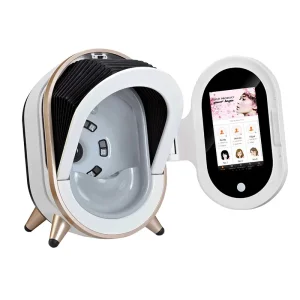
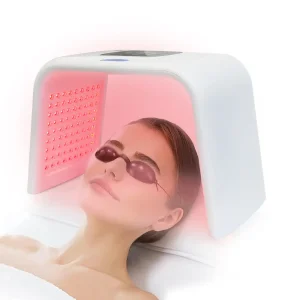
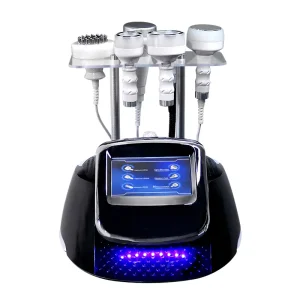
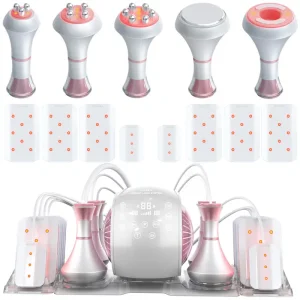
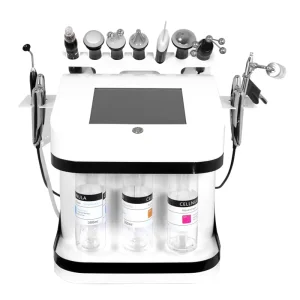
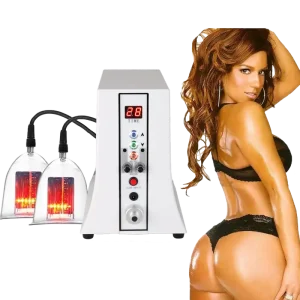
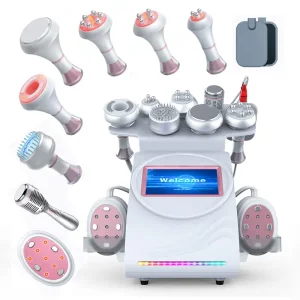
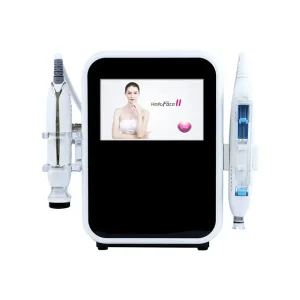
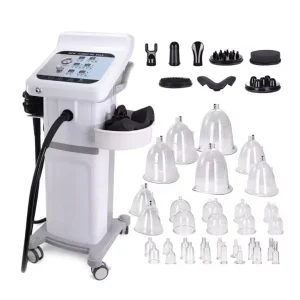
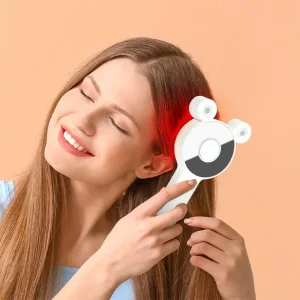
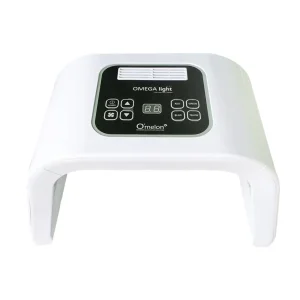
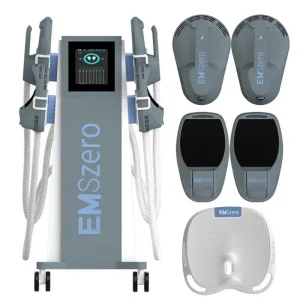
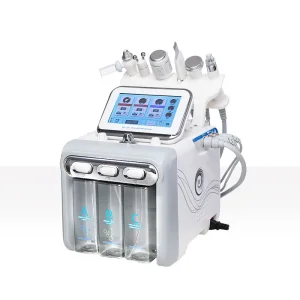
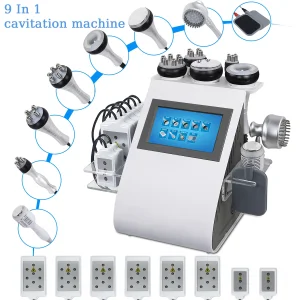
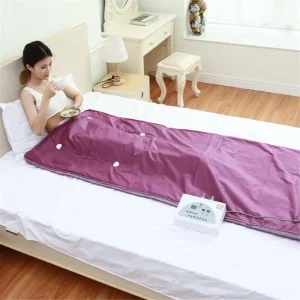
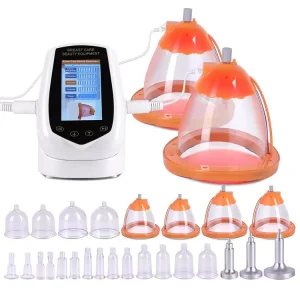
Pioneering diagnostic engines deployed across premium clinical salons in the Paris metropolitan region.
The Paris metropolitan area stands as the historical and contemporary epicenter of global skincare, cosmetics, and advanced dermacosmetics. In recent years, the market has undergone a significant paradigm shift from subjective skin evaluation to data-driven, quantitative skin analysis. Leading dermatological clinics, high-end *cabinets de médecine esthétique* in the 8th Arrondissement, and luxury hotel spas across Place Vendôme now rely on multispectral skin analysis systems to validate treatment efficacy and personalize patient pathways.
This integration of technology is driven by a highly sophisticated demographic. Parisian consumers demand evidence-based esthetics. They are no longer satisfied with general product recommendations; they require optical proof of dermal density, pigment distribution, porphyrin levels, and hydration metrics. Consequently, the acquisition of professional-grade skin analysis machines has become a baseline operational requirement for medical-esthetic businesses looking to maintain a competitive advantage in the French capital.
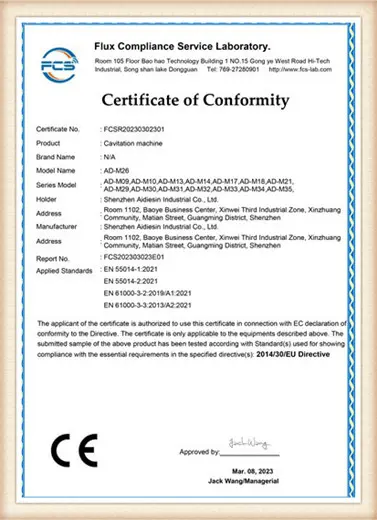
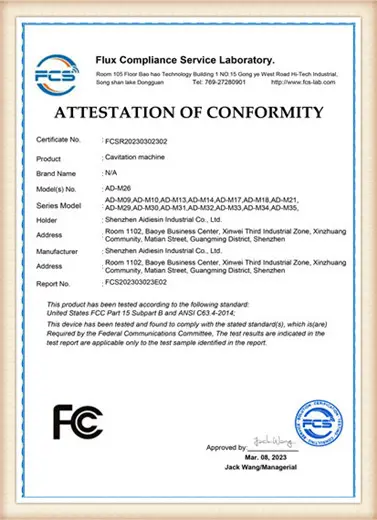
Furthermore, local regulatory compliance plays a critical role. The French market is governed by stringent European Union standards, including the EU Medical Device Regulation (MDR) and the General Data Protection Regulation (GDPR). Biometric data collection—such as high-definition 3D facial imaging and sebum classification—must be stored securely and processed with explicit client consent. Exporters and manufacturers targeting Paris must ensure their software backends support GDPR-compliant data handling, local French language interfaces, and seamless integration with existing clinic management software.
As a premier global developer and manufacturer, Shenzhen Aidiesin Industrial Co., Ltd. is dedicated to bridge the gap between high-precision optical engineering and end-user clinical application. Global distribution channels require manufacturers to possess extensive Expertise, Authoritativeness, and Trustworthiness (E-E-A-T). For a skin analysis machine exporter to succeed in the demanding Paris market, their supply chain, manufacturing hygiene, and software updates must meet international benchmarks.
Our commitment to innovation is reflected across our comprehensive product portfolio. By combining advanced LED therapy, vacuum-assisted dermal extraction, and high-frequency ultrasonic systems, we provide holistic diagnostic-to-treatment loops. The manufacturing process utilizes clinical-grade optoelectronic sensors, high-definition camera modules, and stable polarization filters designed to capture subsurface vascular conditions and structural irregularities without color distortion.
We are committed to providing excellent customer service and satisfaction. The company's commitment to innovation is reflected in our LED therapy machines and optical skin analysis systems. These devices harness the power of LED light and multispectral photography to address a variety of skin concerns and promote a healthy and youthful complexion. With different modes and customizable settings, users can enjoy a personalized skin care routine in the comfort of clinical spas or home environments.
In addition, Aidiesin is also committed to the research and development of beauty salon instruments, researching and developing a series of fat blasting machines, EMS sculpting machines, and facial beauty instruments. It enjoys the reputation of "high-end", "cutting-edge" and "high-quality" in the beauty industry globally.
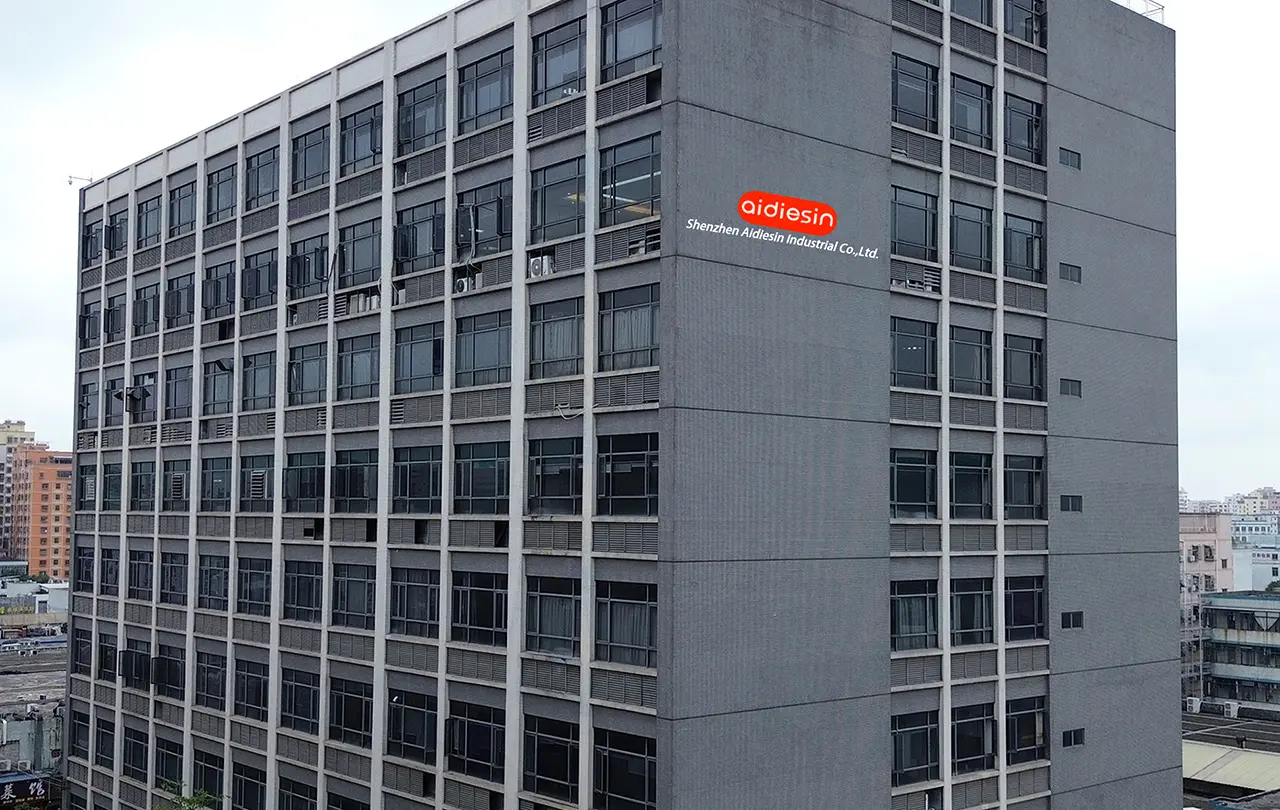
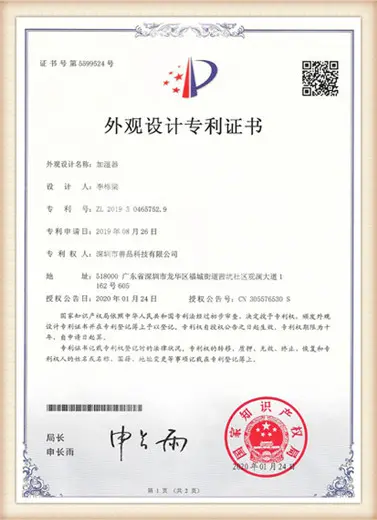
The company attaches great importance to quality control, ensuring that each product undergoes rigorous testing and inspection before entering the European and global markets. We have complete experience in product design and research and development, backed by excellent optical engineers, software developers, and clinical advisors. We also maintain a reliable after-sales feedback system to promptly inspect and update product firmware. Every diagnostic system you deploy in Paris is carefully calibrated to ensure reproducibility and consistency of diagnostic results.
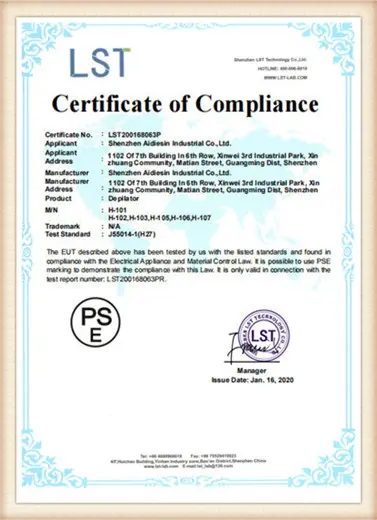
The core technology behind modern skin analysis machines relies on multispectral imaging combined with deep-learning neural network analysis. Standard photography is insufficient for clinical evaluations. Modern systems utilize up to 8 distinct light modes to evaluate different layers of the dermis and epidermis:
Once captured, raw images are processed via cloud-based algorithms trained on millions of clinical skin profiles. The AI calculates real-time comparisons against age- and ethnicity-matched cohorts, predicting skin aging trajectories over a 3 to 5-year span. This predictive intelligence allows estheticians in Paris to justify proactive anti-aging regimens, preventative hydration therapies, and laser resurfacing series, shifting from reactive skincare to programmatic skin maintenance.
Integrating diagnosis with advanced physical modalities for a complete therapeutic workflow.
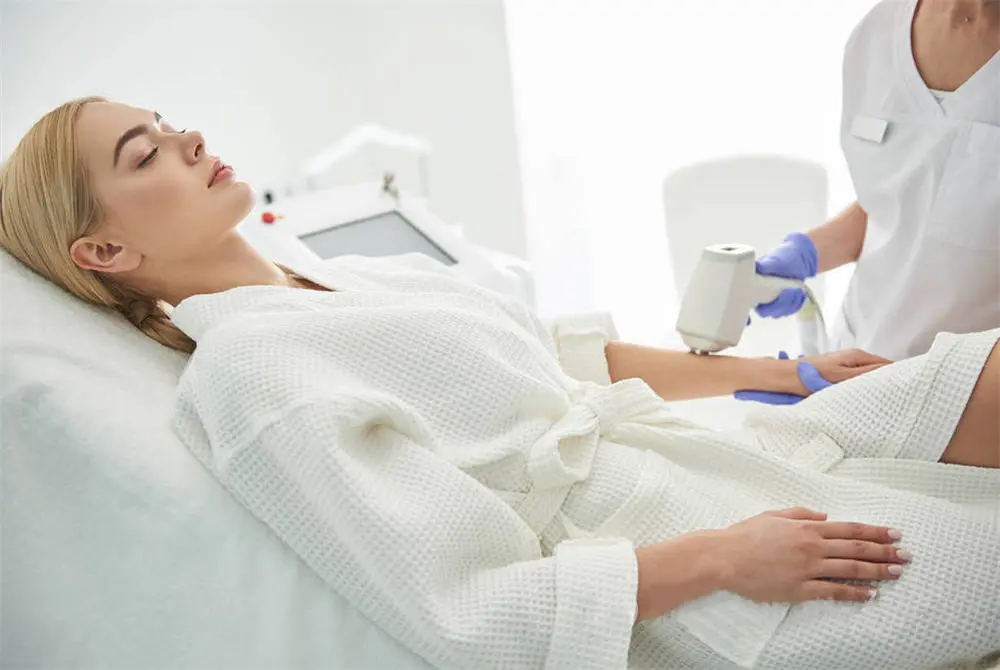
Pre-treatment skin type classification to ensure optimal laser wavelengths and pulse widths, minimizing epidermal damage.
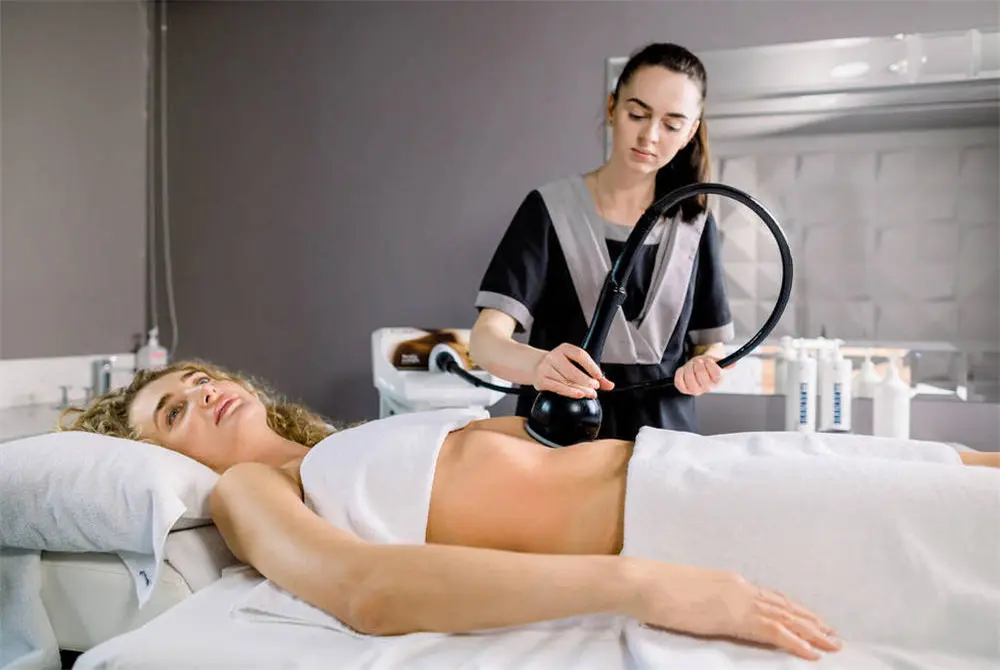
High-resolution localized thermal and visual scanning used to map body shaping progress in fitness and clinical centers.
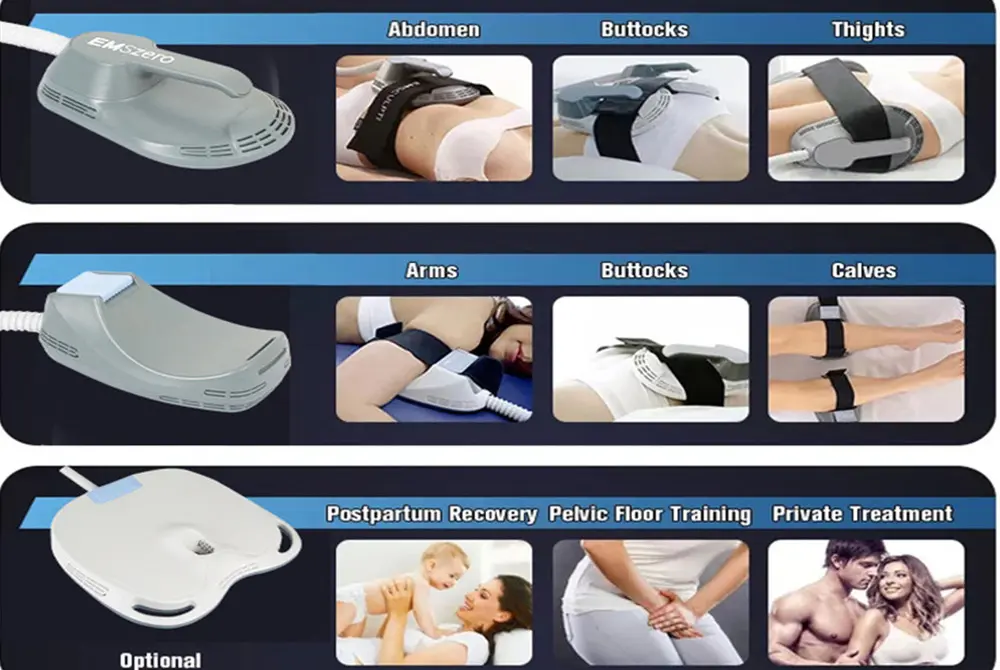
High-frequency electromagnetic therapies paired with body fat composition analyzers for dynamic physical tracking.
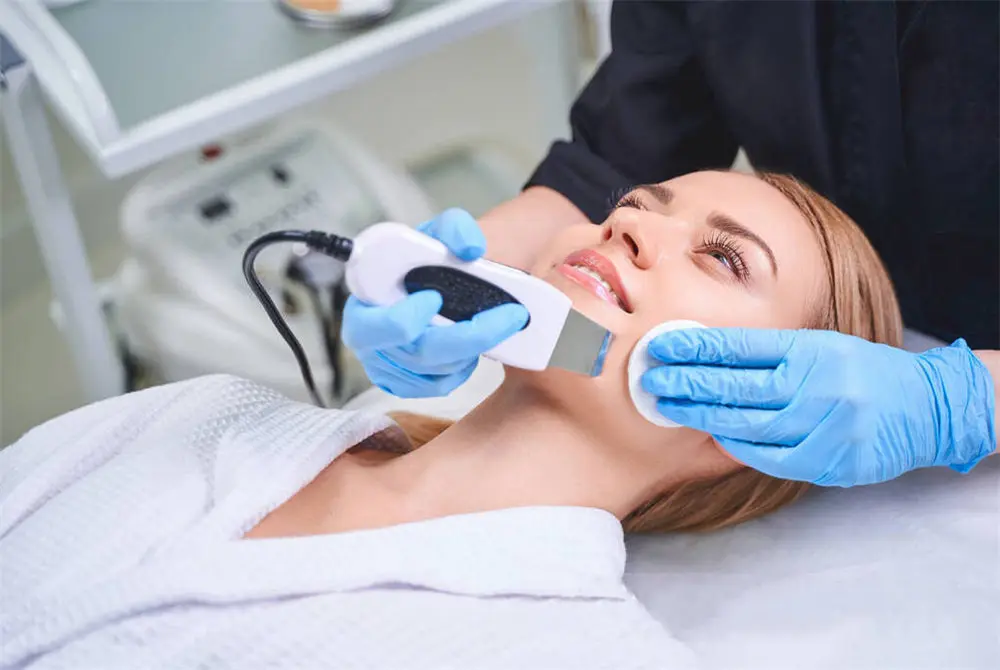
Measuring pore diameter, hydration levels, and sebum excretion indexes before and after micro-exfoliation therapies.
Comprehensive after-sales service, technical hardware support, and remote software calibration.
Flexible material modifications, software branding, custom casing designs, and UI localizations.
Unified chain services encompassing optical engineering, hardware assembly, sales, and logistics.
Dedicated account managers providing timely and expert support to address French regulatory requirements.
To maximize the business value of skin analysis machines in the Paris market, clinics must adopt a structured clinical workflow. This ensures high client retention, builds authority, and increases product sales. A typical optimized workflow involves:
This workflow shifts the conversation from a subjective opinion to a objective clinical analysis. It justifies premium treatment prices and boosts retail skincare product sales, as clients can see the physical changes in their skin structure over time.
Exemplary wellness technologies supporting medical and cosmetic practices across France.
Complementary technological equipment designed for comprehensive clinical setups.
 Aidiesin