 Aidiesin
1. The Transformation of the Aesthetic & Body Shaping Market in Kenya
The aesthetic and wellness sector in the Republic of Kenya is witnessing an unprecedented evolution. Driven by rapid urbanization, an expanding middle class with rising disposable incomes, and an increasing focus on personal wellness and grooming, non-invasive body contouring treatments have transitioned from luxury services to mainstream requirements. Nairobi, particularly zones like Kilimani, Westlands, and Karen, has established itself as the cosmetic treatment capital of East Africa, with Mombasa and Kisumu following as secondary growth hubs.
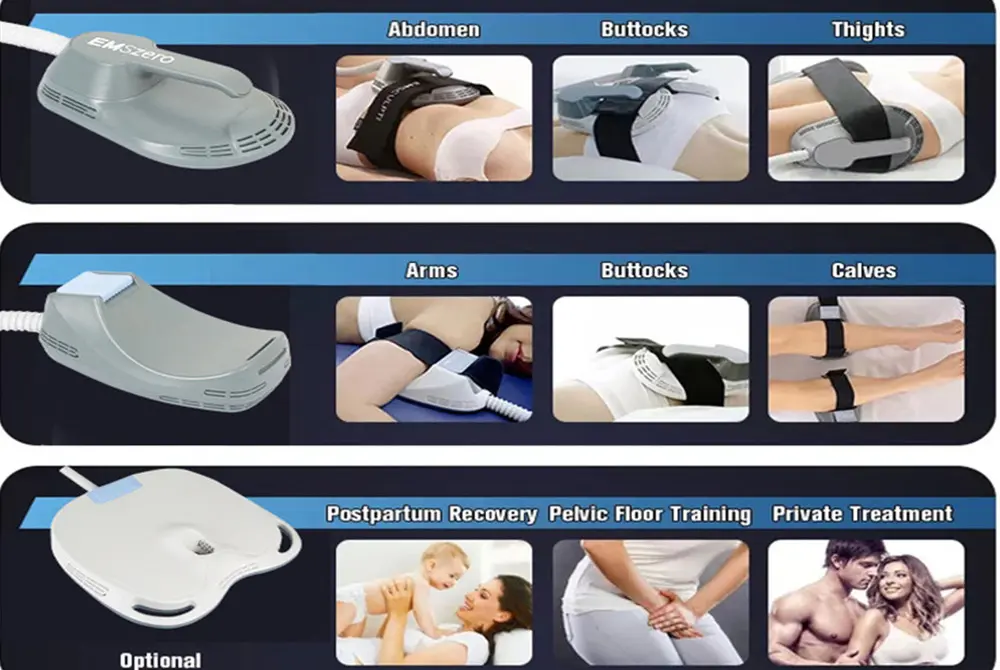
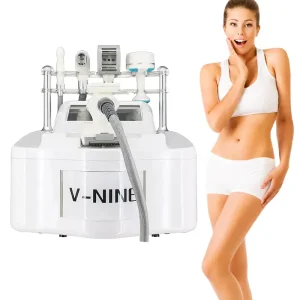
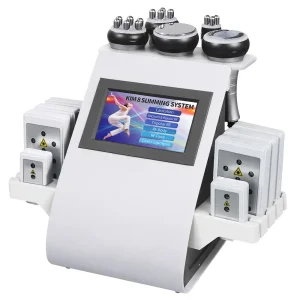
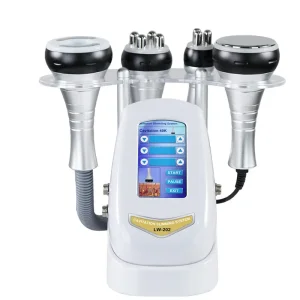
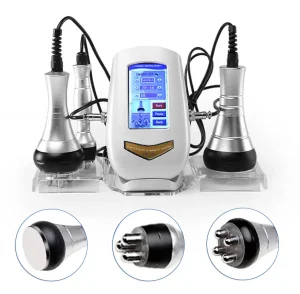
Historically, medical spas and wellness centers across Kenya relied heavily on outdated devices or second-hand equipment. However, with the democratization of global supply chains, salon owners and medical practitioners in Kenya are demanding high-performance, CE-certified systems directly from premium factories. The shift from invasive surgical lipoplasty to non-invasive technologies—such as 40KHz/80KHz Ultrasonic Cavitation, Lipo Laser, Vacuum Endermology, and High-Intensity Electromagnetic Muscle Stimulation (HI-EMT)—has dramatically lowered the barriers to market entry for entrepreneurs while providing clients with safe, pain-free treatments with zero downtime.
2. Scientific & Biophysical Modalities of Body Shaping
To maximize clinical efficacy and patient safety within the Kenyan demographic, it is critical to understand the biophysical actions of each thermal and mechanical modality:
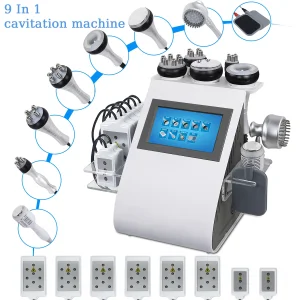
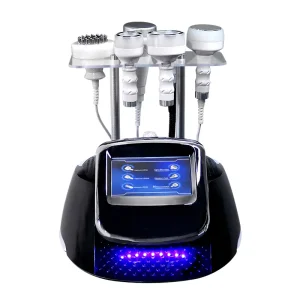
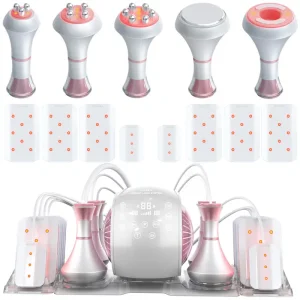
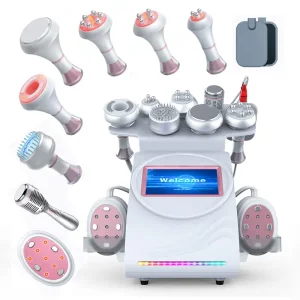
- Ultrasonic Cavitation (40KHz vs. 80KHz): Emits low-frequency acoustic waves that induce micro-bubbles within the subcutaneous adipose tissue. The accumulation of pressure causes the adipocyte cell membranes to implode (lipolysis), converting solid fat stores into free fatty acids and glycerol, which are subsequently cleared via the lymphatic and urinary pathways.
- Radiofrequency (RF) Thermal Lipolysis: Delivers controlled electrical currents deep into the dermal layers. The generated resistance heats water molecules within the tissue, stimulating immediate collagen triple-helix contraction and long-term neocollagenesis. This is essential for preventing skin laxity post-fat reduction.
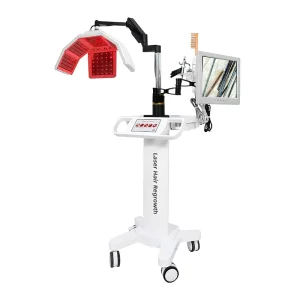
- Lipo Laser Therapy (650nm Lightwaves): Utilizes low-level laser therapy (LLLT) to photostimulate and chemically alter the permeability of fat cells. The cells form transient micropores, allowing triglycerides to leak into the interstitial space without tissue trauma.
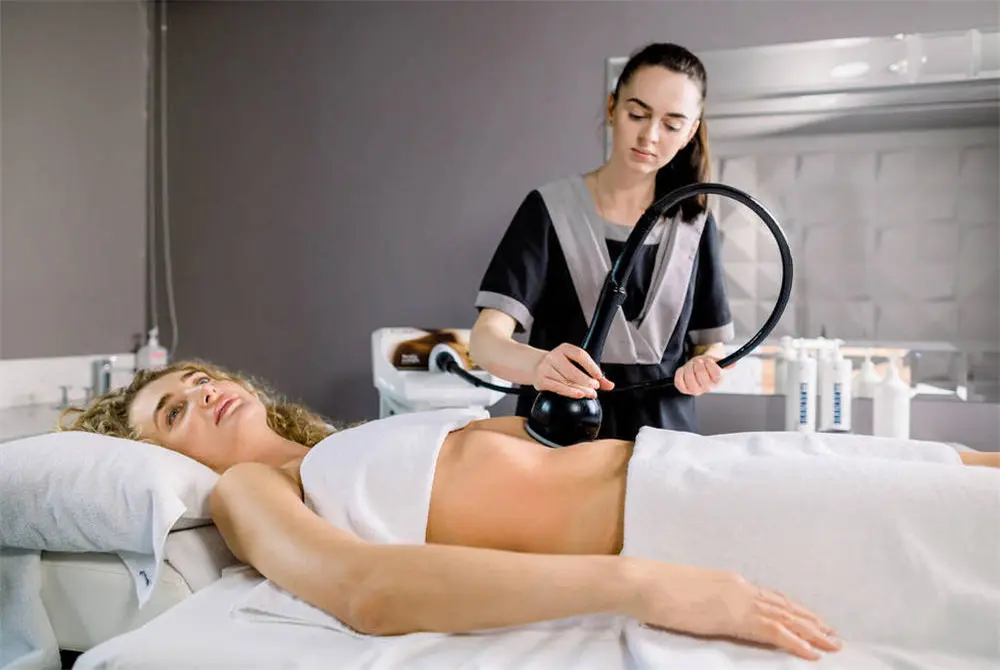
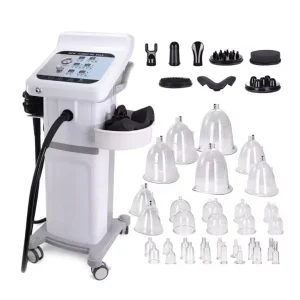
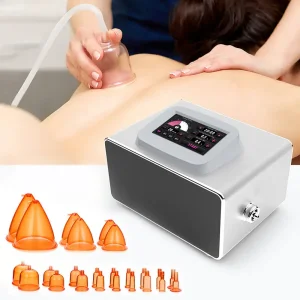
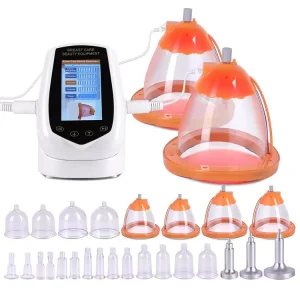
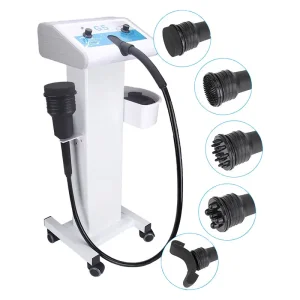
- Endermology & Vacuum-Assisted Lymphatic Drainage: Combines mechanical suction with roller mobilization to break down fibrous adhesion bands (the root cause of cellulite), stimulate microcirculation, and accelerate lymphatic clearance of emulsified lipids.
Furthermore, when catering to different skin tones (incorporating the Fitzpatrick Skin Phototypes IV-VI common in East Africa), mechanical cavitation and localized vacuum therapies represent exceptionally safe modalities, as they avoid the risks of post-inflammatory hyperpigmentation (PIH) occasionally linked with poorly calibrated ablative laser systems.
3. China Industry 4.0: Supply Chain Resilience & OEM/ODM Prowess
Shenzhen Aidiesin Industrial Co., Ltd. operates at the vanguard of precision aesthetic technology manufacturing. By leveraging the unparalleled electronic and mechanical infrastructure of Shenzhen's industrial cluster, our manufacturing facility integrates complete design-to-assembly lines that maintain rigorous international standards.
Industrial-Grade Component Sourcing & Quality Control:
Our factory sources heavy-duty vacuum pumps from Japan, premium laser diodes from Germany, and high-frequency transducers from the USA. Every unit undergoes a 72-hour continuous stress test in temperature-controlled chambers before final packaging. This uncompromising quality control protocol ensures that our devices can withstand the high daily client load of busy commercial medical spas.
Our OEM/ODM services enable Kenyan distributors to localize user interfaces (GUI in Swahili/English), brand outer chassis moldings, customize color palettes, and adapt software control systems to match local market needs.
4. Regulatory Compliance (KEBS) & Kenyan Grid Safety
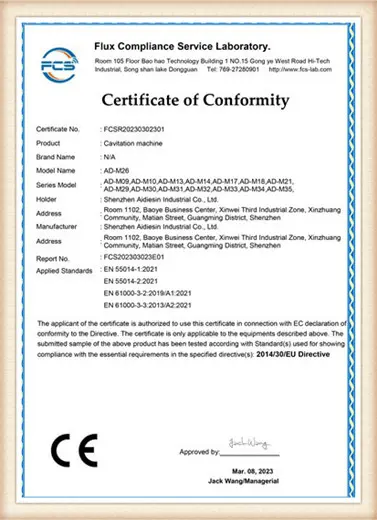
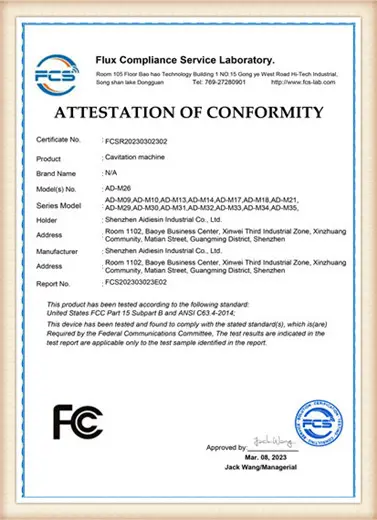
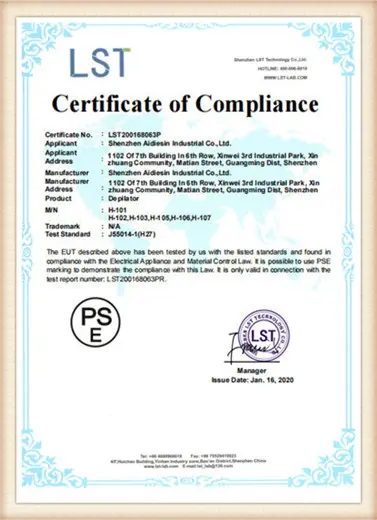
Importing medical and aesthetic equipment into Kenya requires strict adherence to national importation frameworks. All shipments must comply with the Kenya Bureau of Standards (KEBS) Pre-Export Verification of Conformity (PVoC) scheme. Our factory provides comprehensive documentation, including CE certifications, safety test reports, and certificate of conformity compliance, ensuring a smooth customs clearance process at the Port of Mombasa or Jomo Kenyatta International Airport (JKIA).
A major operational challenge for clinics in Kenya is voltage instability and power surges. To address this, our engineers build all systems shipped to East Africa with integrated heavy-duty voltage stabilizers, surge protectors, and standard UK-style G-plugs (240V/50Hz). This design minimizes component failure risks and maximizes the service life of internal circuits.
5. Business Models & ROI for Kenyan Operators
Investing in our professional-grade body shaping platforms guarantees exceptional business viability. With an average treatment charge of KES 5,000 to KES 15,000 per session in Nairobi spas, operators typically recover their initial capital outlay within the first three months of operation.
We provide digital marketing assets, clinical training protocols, client consent templates, and detailed technical troubleshooting manuals, empowering salons to seamlessly add advanced body sculpting services to their existing offerings.