Innovative medical-grade devices crafted for high-efficacy beauty and fat reduction treatments.
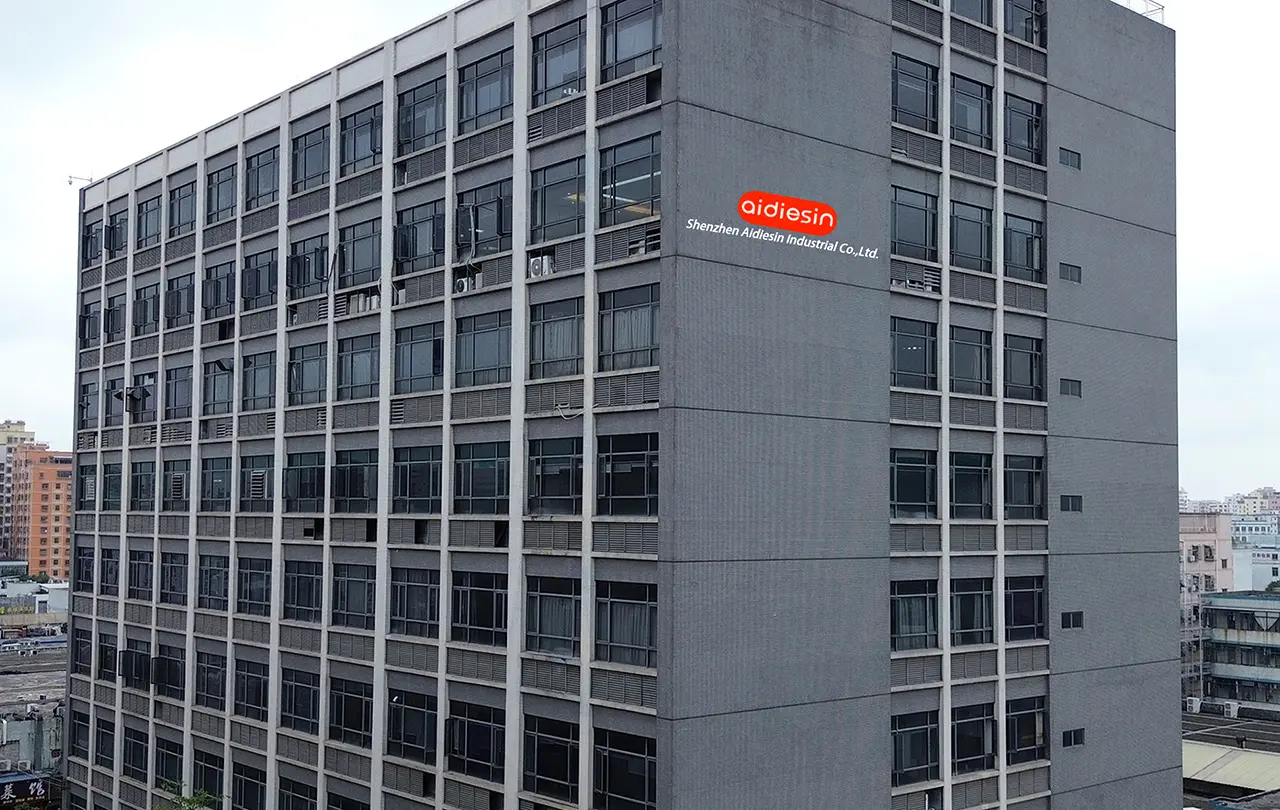
Shenzhen Aidiesin Industrial Co., Ltd. is a high-technology industrial entity dedicated to the research, development, engineering, and manufacturing of professional beauty salon equipment. We are recognized globally for delivering high-end aesthetic solutions that seamlessly blend precision engineering with clinically proven technologies.
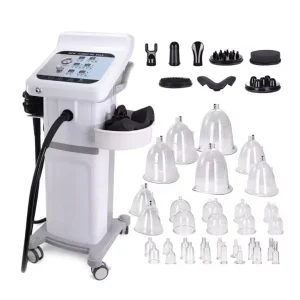
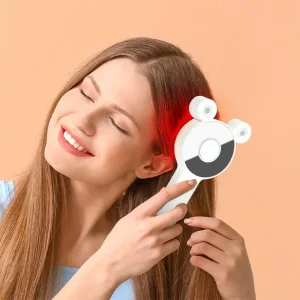
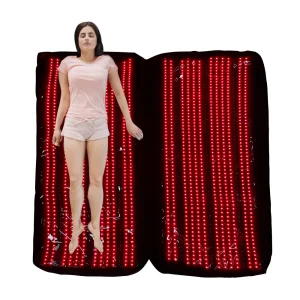
Our diverse R&D portfolio is centered on multi-modal fat cavitation machines, EMS sculpting equipment, vacuum-assisted radiofrequency systems, and state-of-the-art LED phototherapy platforms. By aligning with strict international standards, we ensure that every machine engineered in our facility delivers outstanding results, offering customizable settings to accommodate the unique needs of global clients.
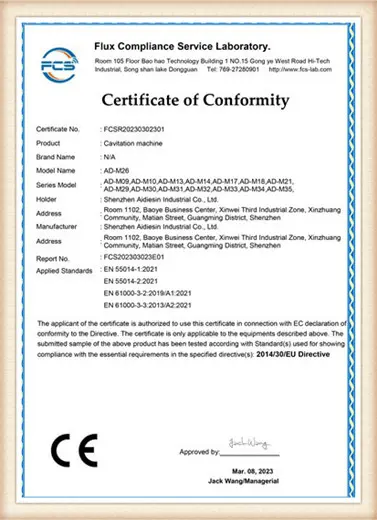
Rigorous testing, CE compliance, and extensive hardware aging protocols.
Understanding the biophysical mechanisms that drive modern non-invasive fat reduction.
Modern body contouring relies on ultrasound transducers to project low-frequency acoustic waves (typically 35KHz to 80KHz) deep into the subcutaneous adipose tissue layer without disrupting overlying skin or adjacent blood vessels.
The rapid expansion and compression cycles of ultrasonic waves generate micro-bubbles within interstitial fluids. When these bubbles implode, the localized shockwaves create mechanical shear stress that disrupts the fragile membranes of adipocytes.
Once the cell membranes rupture, the stored triglycerides are metabolized into free fatty acids and glycerol. These compounds are naturally processed and eliminated from the body via the lymphatic and hepatic systems.
Synthesizing multiple clinical mechanisms to achieve superior patient outcomes.
Modern non-invasive fat reduction has evolved past single-frequency ultrasound treatments. Current standards require multi-modality integration to address localized adiposity, skin laxity, and poor lymphatic circulation simultaneously.
By combining cavitation with radiofrequency, aesthetic platforms treat localized fat deposits while maintaining skin elasticity. The vacuum system coordinates the natural elimination of lipids, reducing downtime and lowering the risk of post-treatment irregularities.
"Integrating RF thermal energy immediately after cavitation speeds up local metabolic activity and enhances skin tightening."
Tailored engineering and support strategies across primary commercial sectors.
We supply medical-grade hardware featuring stable energy output, active cooling systems, and detailed user controls to meet strict clinical safety and performance standards.
We design intuitive user interfaces and preset clinical modes that allow spa staff to deliver consistent, high-quality treatments with minimal specialized training.
We offer end-to-end customization, including structural design, custom colors, software localization, and region-specific certifications, to match unique market requirements.
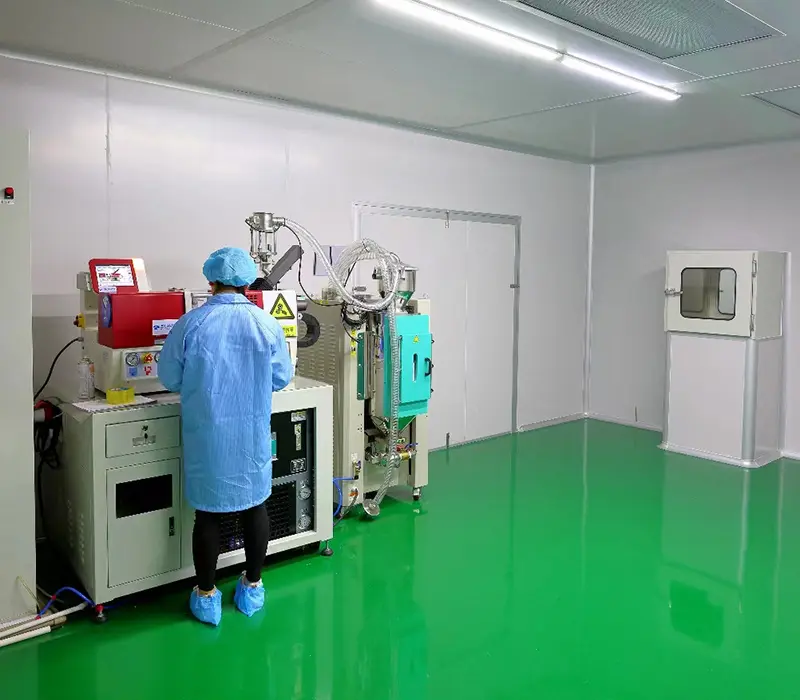
Based in Shenzhen, the global capital of electronic design and manufacturing, Shenzhen Aidiesin Industrial Co., Ltd. operates modern production facilities. Our manufacturing lines combine skilled electronic engineering with strict, multi-stage quality control.
We source our high-frequency transducers and vacuum pumps from reliable partners to guarantee the longevity of every machine. Our supply chain is structured to adapt to custom hardware specifications, allowing us to maintain short lead times and consistent product quality even during high demand periods.
Every circuit board, transducer module, and RF emitter is tracked and tested before integration.
Tailoring aesthetic technologies to define and strengthen your brand identity.
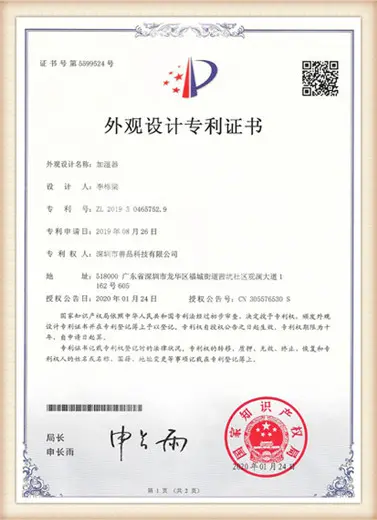
We design and develop custom outer casings, from modern vertical console units to compact tabletop designs, using durable, premium materials.
We adapt system firmware to match your brand's color palette, display your logos, and offer multiple languages for different regional markets.
Our engineering team can calibrate specific ultrasonic output frequencies, RF pulse intervals, and vacuum profiles to align with your clinical goals.

We verify product reliability through a series of testing protocols. Every system manufactured by Shenzhen Aidiesin Industrial Co., Ltd. undergoes extensive evaluations before it is prepared for global delivery.
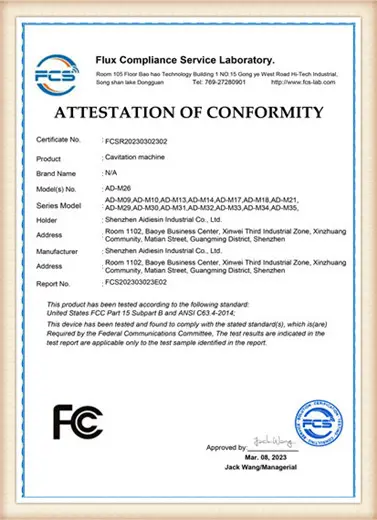
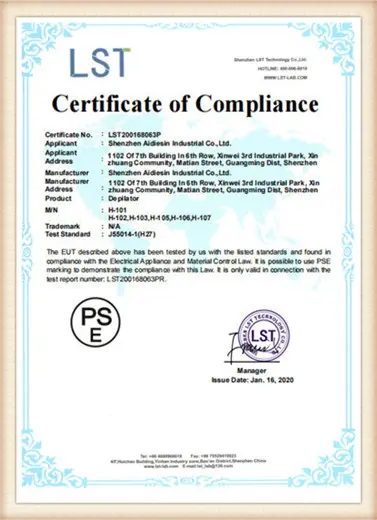
Four primary application protocols supported by our equipment range.

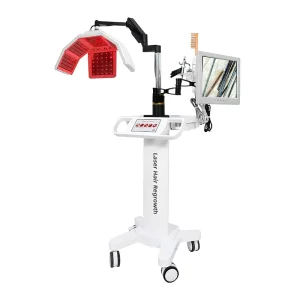
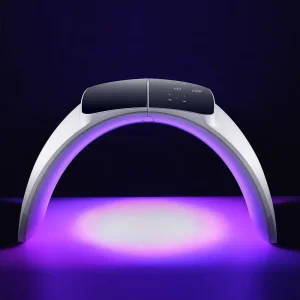
High-efficiency phototherapy systems that target pigment in follicles, delivering smooth, long-term results for clients.
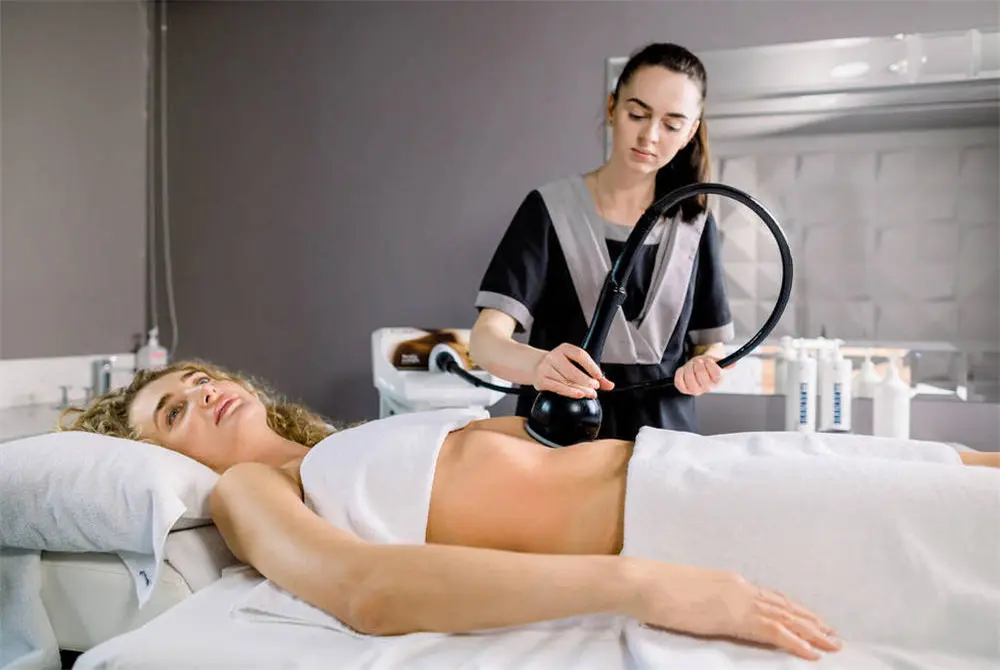
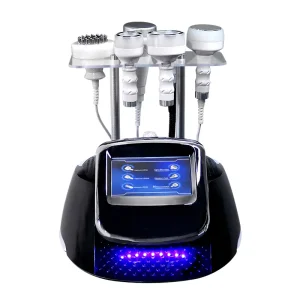
Multi-frequency cavitation systems designed to break down adipose deposits and help re-shape body contours.
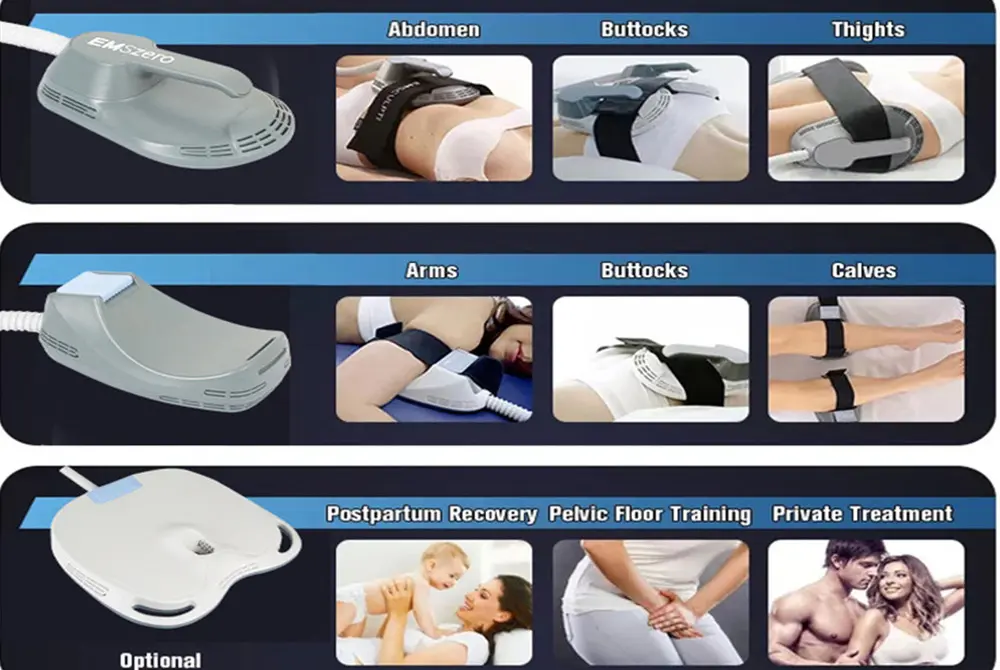
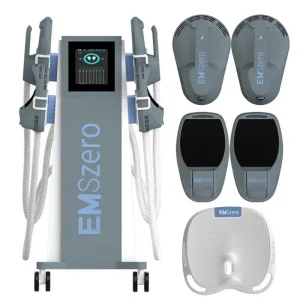
High-intensity electromagnetic stimulation designed to trigger deep muscle contractions, helping tone target areas.
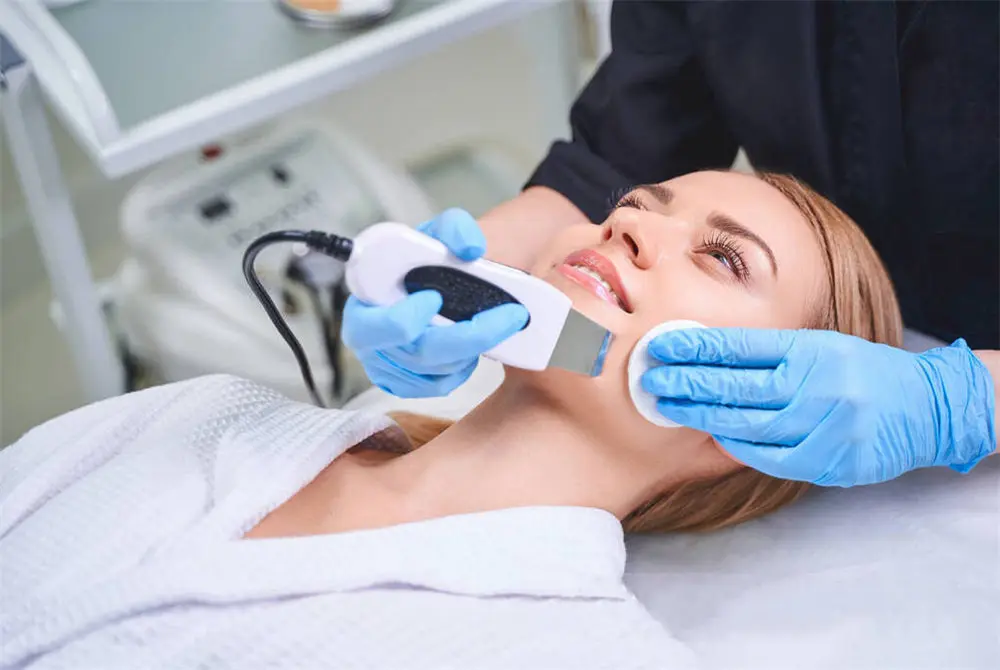
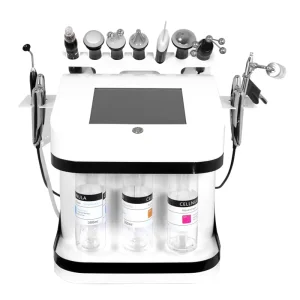
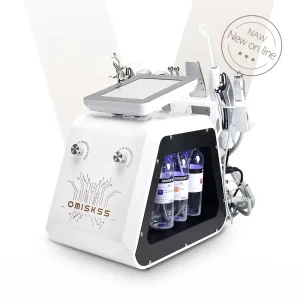
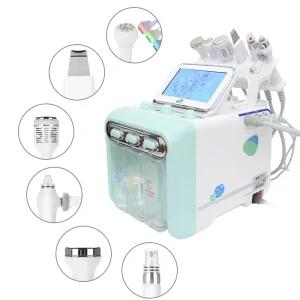
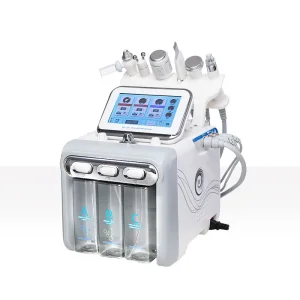
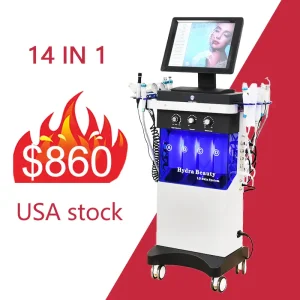
Advanced hydro-dermabrasion systems that clean, exfoliate, and hydrate the skin, suitable for spas and clinics.
Answers to common questions regarding engineering, compliance, and B2B orders.
Additional professional equipment and skin solutions developed by Shenzhen Aidiesin.
 Aidiesin