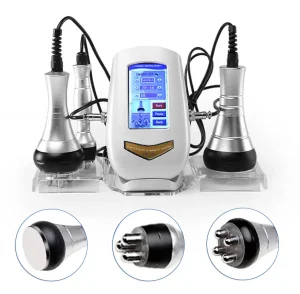
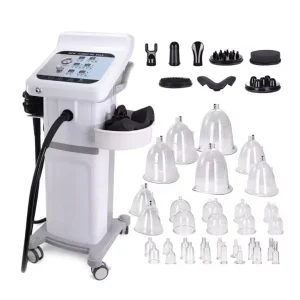
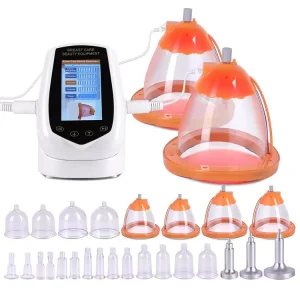
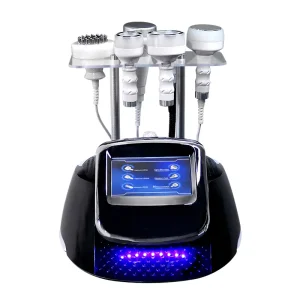
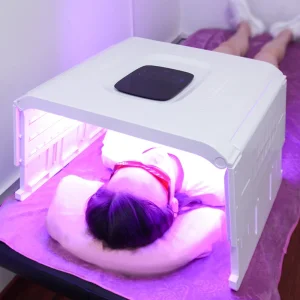
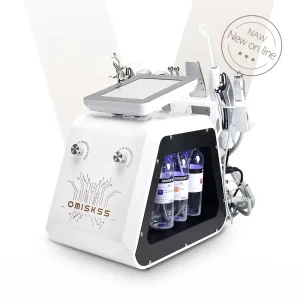
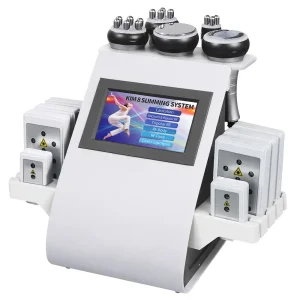
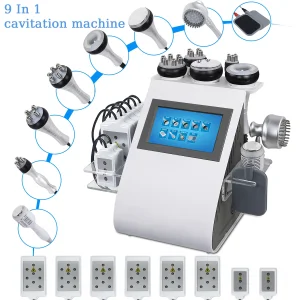
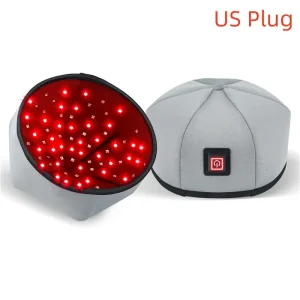
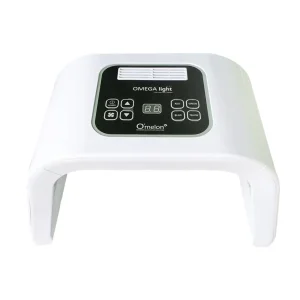
Custom Cavitation Fat Machine Exporters & Factories

A B2B Industry Whitepaper on Technological Paradigms, Manufacturing Standards, and Strategic OEM/ODM Sourcing Solutions

Engineering Paradigms & Ultrasonic Cavitation Science

Deep insight into the biomechanics and structural components that dictate local adipocyte disruption.

In the high-growth non-invasive body contouring sector, ultrasonic cavitation stands out as a foundational, clinically proven modality. As professional distributors and medical spa procurers evaluate prospective custom cavitation fat machine exporters, understanding the acoustic physics and component engineering is critical to procuring devices that offer consistent clinical efficacy, safety, and long-term durability.

The Biophysics of Ultrasonic Cavitation

Ultrasonic fat cavitation operates on the principle of mechanical disruption of adipocyte cell membranes through low-frequency acoustic waves. When propagated through subcutaneous tissue layer, these waves create alternating high-pressure (compression) and low-pressure (rarefaction) cycles:

  • Rarefaction Phase: The low-pressure cycle creates micro-cavities (vacuum bubbles) within the interstitial fluid surrounding adipose cells.
  • Compression Phase: The high-pressure cycle compresses these micro-cavities, causing a rapid temperature and local pressure elevation.
  • Micro-Implosion: The continuous expansion and sudden collapse (implosion) of these bubbles generate shockwaves. These shockwaves break the fragile lipid membranes of adipocytes without damaging the surrounding blood vessels, peripheral nerves, or connective tissues.

The released contents (triglycerides) are metabolized into glycerol (absorbed by the circulatory system and utilized for energy) and free fatty acids, which are systematically cleared via the lymphatic system and processed by the liver.

Critical Component Engineering for Cavitation Systems

To differentiate premium-tier systems from substandard consumer units, procurement professionals must examine three primary architectural components:
  1. Piezoelectric Transducer Arrays: The heart of the cavitation handpiece. Top manufacturers utilize high-purity lead zirconate titanate (PZT) ceramic disks. The quality of PZT determines the conversion efficiency of electrical energy to mechanical sound waves. Cheaper transducers degrade quickly, leading to drop-offs in frequency alignment and heat generation issues.
  2. Digital Sweep Frequency Generators: Ultrasonic transducers have native resonance frequencies that shift slightly during operation due to thermal buildup and skin contact resistance. Premium generators integrate intelligent sweep-frequency and automatic impedance tracking systems to lock onto the optimal resonant state (typically 40kHz or 80kHz), ensuring stable energy delivery.
  3. Internal Thermal Dissipation Systems: Running continuous low-frequency ultrasound generates significant heat within the handpiece. Top-tier factories engineer thermal blocks, heat sinks, and active liquid cooling systems inside the console to protect transducers, extending operational lifespans beyond 10,000 treatment hours.
40kHz
Optimal Acoustic Penetration
10,000+
Transducer Lifespan (Hours)
98.4%
Piezoelectric Conversion Rate
100%
Non-Invasive Safe Energy
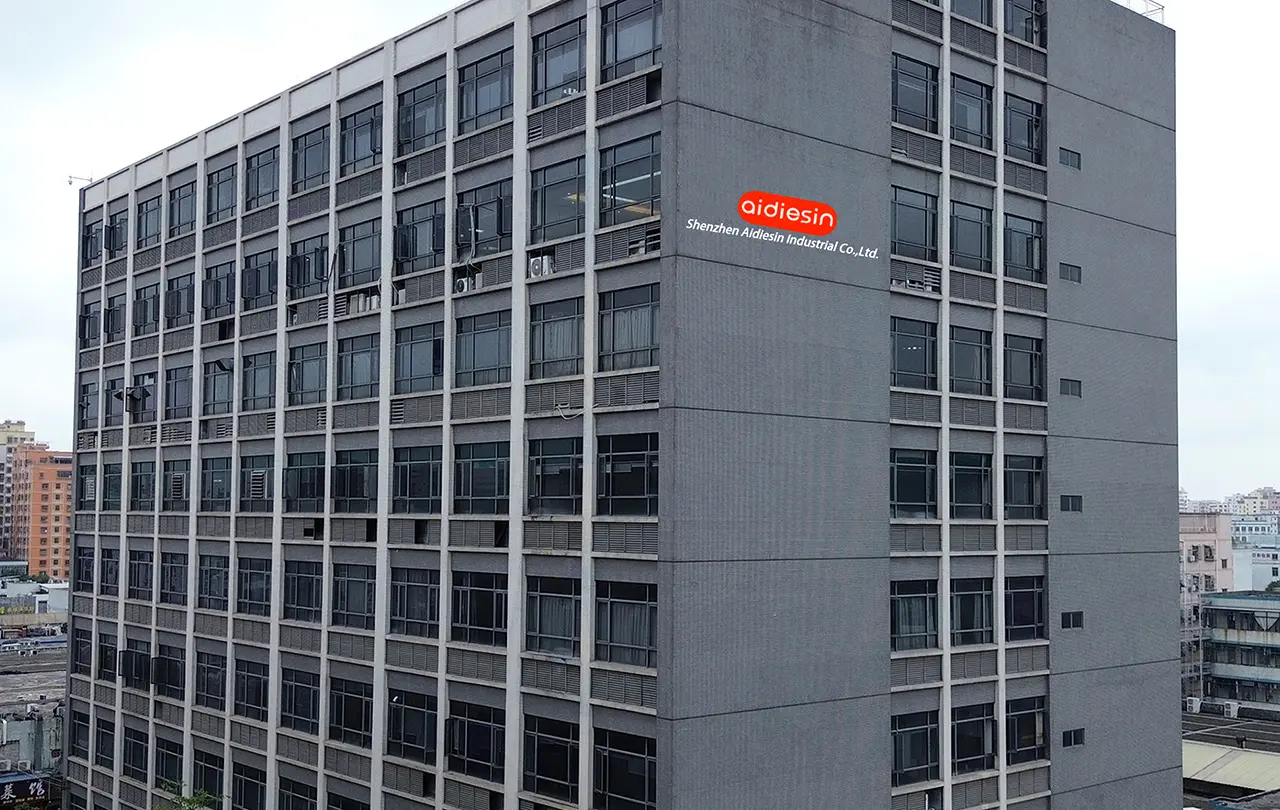
Shenzhen Aidiesin Industrial Factory Floor

THE COMPANY'S COMMITMENT TO INNOVATION IS REFLECTED IN THEIR LED THERAPY & CAVITATION MACHINES

Shenzhen Aidiesin Industrial Co., Ltd. is committed to providing excellent customer service and satisfaction. Our modern manufacturing facilities leverage the advanced electronics ecosystem of Shenzhen to supply high-end, cutting-edge, and high-quality aesthetic equipment worldwide.

In addition to our world-class cavitation fat blasting machines, Aidiesin is actively committed to the research and development of medical-grade beauty salon instruments. We research, develop, and manufacture a wide series of fat blasting machines, EMS muscle sculpting systems, LED phototherapy capsules, and advanced facial beauty instruments. We have built an international reputation for excellence, ensuring our clients receive robust, safe, and clinically effective hardware.

Why Partner with Shenzhen Aidiesin Industrial?

Providing global clients with the engineering depth, quality assurance, and end-to-end support needed for market success.

Deep Engineering Service

We provide full after-sales service, technical support, and structural engineering resolutions to handle any integration issues promptly.

Complete Customization

We support extensive OEM & ODM requirements. From customized housing materials to specialized software interfaces and custom circuit designs.

Professional Infrastructure

Our operation spans design, advanced manufacturing, strict quality assurance, and technical support to deliver complete supply chain integration.

Cohesive Team Force

Our team works collaboratively to deliver timely, technical, and precise responses to simplify your global B2B procurement process.

Rigorous Quality Control & Industry Certifications

Ensuring compliance, safety, and operational consistency across our global product lines.

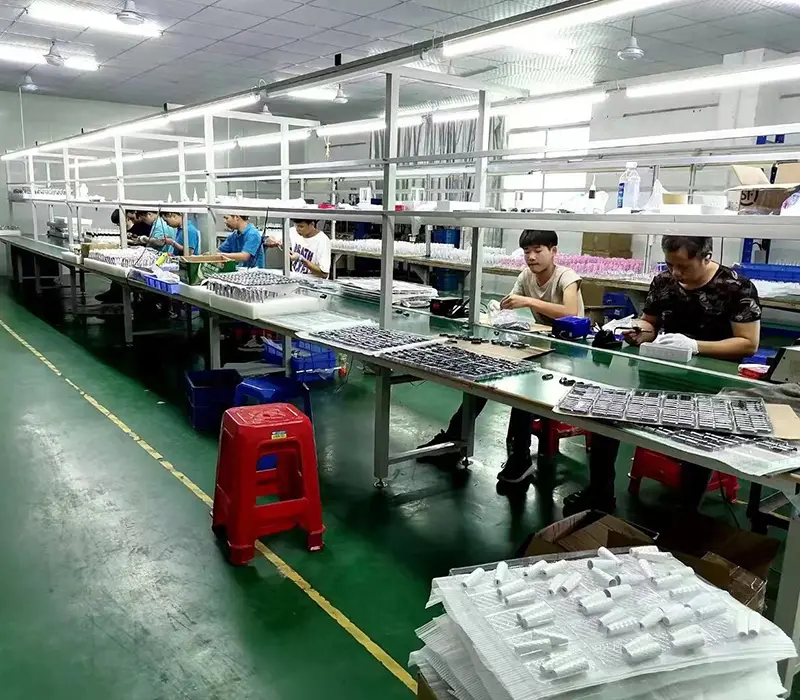
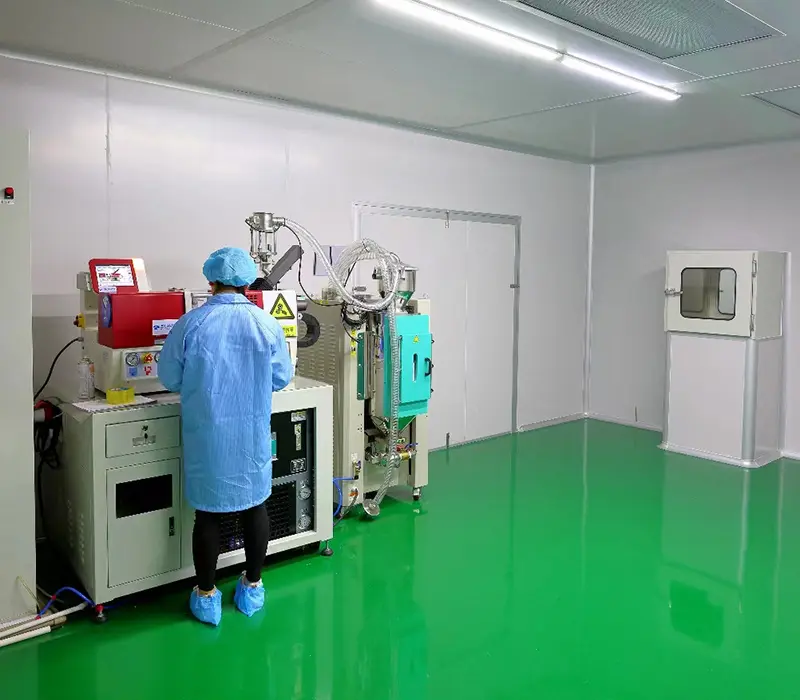
Our quality control protocol guarantees that every piece of medical aesthetic hardware undergoes systematic testing and calibration before entering the market. With complete internal design and engineering teams, we maintain a proactive feedback loop that monitors, diagnoses, and rectifies product issues in real time.

Each custom cavitation machine is subjected to testing protocols, including high-voltage safety checks, continuous load test run cycles, and ultrasonic output calibration to prevent frequency drift and guarantee consistent therapeutic energy output.
Quality Control Testing
Calibration Laboratory
Aidiesin R&D Team

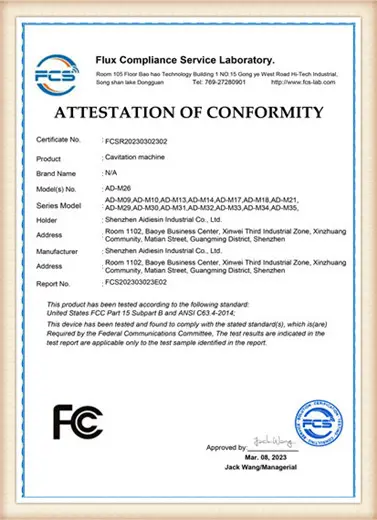
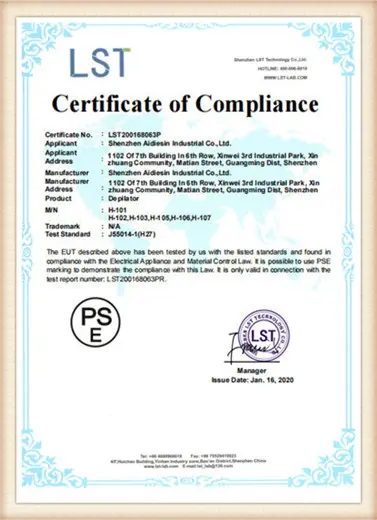
International Compliance Certificates

Our systems are certified under major regulatory guidelines to support frictionless global market entry.
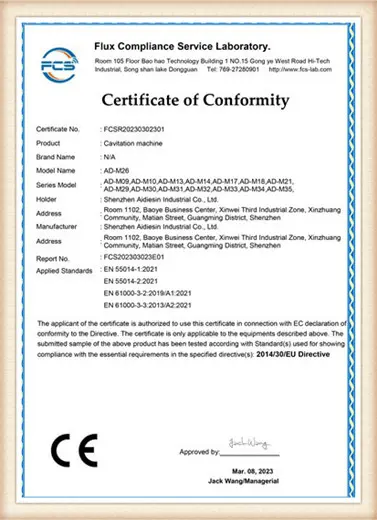
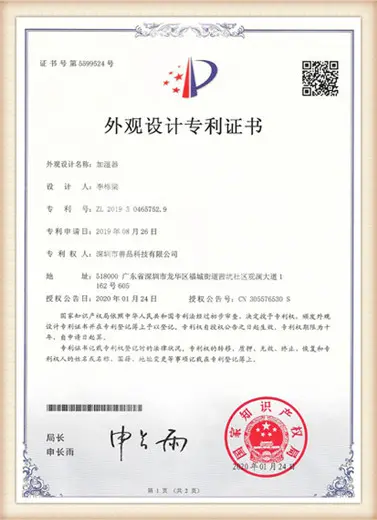
LVD Safety CE Certificate
EMC Directive CE Certificate
Compliance Quality Certificate
ISO Certification

Global Sourcing Strategy & Procurement Pain Points

Addressing supply chain risks, customization requirements, and system configuration optimizations.

Primary Procurement Risks Faced by Global B2B Buyers

B2B cosmetic equipment buyers—whether medical device distributors, aesthetic franchise chains, or private label brands—frequently encounter several technical challenges during sourcing:

  1. Energy Drift and Output Degradation: Low-grade cavitation devices often lose up to 50% of their ultrasound energy output within 3-6 months. This happens because sub-standard transducers overheat and degrade. Aidiesin counters this by utilizing medical-grade, impedance-matched piezoelectric components.
  2. Electromagnetic Interference (EMI) issues: High-power radiofrequency and cavitation electronics emit substantial high-frequency noise. If a factory lacks advanced PCB design capabilities, the machine may interfere with other clinical equipment or fail EMC/EMI compliance standards. Our machines are built with shielded internal power modules to pass CE LVD/EMC regulatory tests.
  3. Inadequate Customization Capabilities: Standard catalog products make brand differentiation difficult. True OEM/ODM partners must be capable of modifying software (languages, UI branding, energy presets), industrial casings (molds, colors), and combining dual or triple treatment technologies.

Macro Solutions: Combining Multi-Modal Technologies

Modern clinics demand multi-functional workstations to maximize treatment room ROI. Sourcing single-function devices is no longer cost-effective. Aidiesin designs systems that integrate multiple synergistic modalities within a single chassis:

  • High-Frequency Cavitation + Vacuum Endermology: Cavitation disrupts fat cells, while vacuum suction enhances lymphatic drainage, accelerating waste clearance.
  • Multipolar Radiofrequency (RF): Generates deep dermal heating to stimulate collagen remodeling and tighten loose skin post-fat reduction.
  • Lipolaser (Low-Level Laser Therapy): Creates temporary pores in adipose cells to accelerate lipid release.

Industrial Application & Treatment Scenarios

Versatile clinical configurations optimized for weight loss facilities, salons, and modern wellness spas.

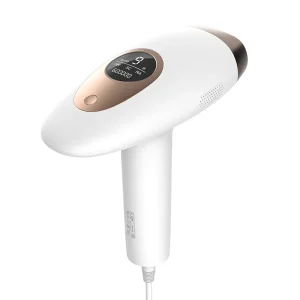
IPL Hair Removal application

Fast Hair Removal Systems

Targeting permanent hair reduction. Smooth, clean skin outcomes for high-throughput spa operations.
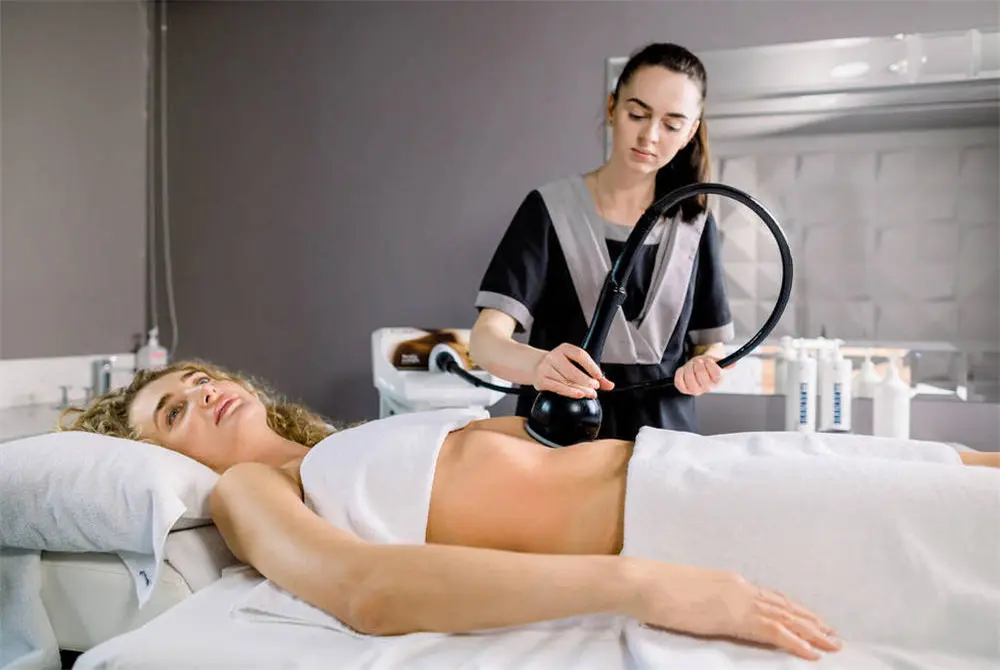
Body Slimming Application

Body Slimming Workstations

Non-invasive lipolysis targeting abdominal, thigh, and arm areas. Perfect for professional health and fitness facilities.
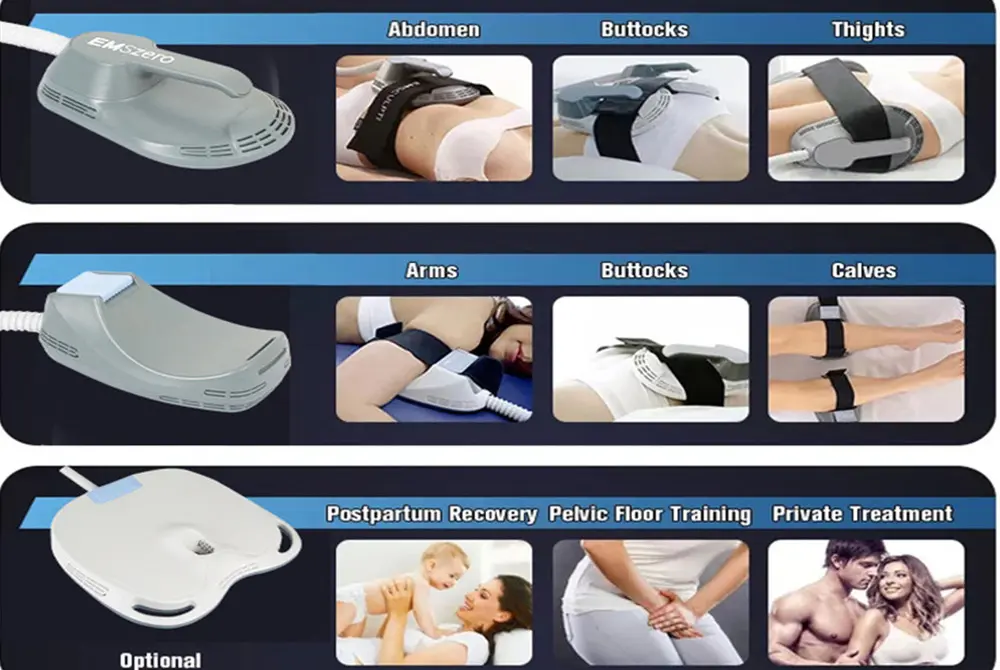
Emsculpt Machine application

Emsculpt Muscle Sculpting

Utilizing high-intensity electromagnetic fields to stimulate supramaximal muscle contractions, saving workout time.
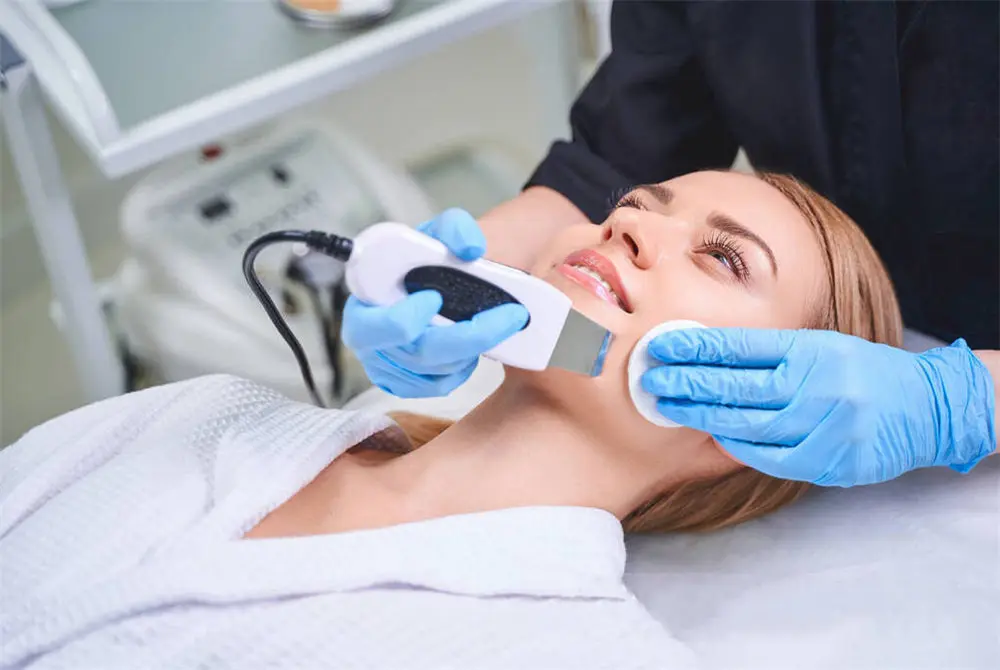
Facial Skin Manage Machine application

Facial Skin Management

Microdermabrasion, H2O2 hydra peeling, and skin rejuvenation systems. Engineered for modern beauty centers and day spas.

Future Development Trends in Aesthetic Hardware

Stay ahead of the curve with emerging technological advancements in non-invasive fat reduction.

The global body contouring market is projected to expand at a CAGR of over 14% through 2032. B2B buyers must track technological shifts to avoid purchasing soon-to-be-obsolete equipment:

  • Integrated Real-Time Bioimpedance Analysis (BIA): Next-generation cavitation systems will automatically analyze localized fat thickness and hydration levels. This allows the machine to dynamically scale ultrasound frequency and energy density during treatment to optimize results.
  • Variable-Frequency Focus Technology: Moving away from static 40kHz, new devices utilize variable focus fields. This targets different depths of the subcutaneous fat layer without requiring multiple handpieces.
  • Smart IoT Operations: Cloud-connected aesthetics machines allow clinic owners to track device usage, log client treatments, schedule preventative maintenance, and update system firmware remotely.

Expert Q&A: Sourcing Cavitation Fat Machines

Critical engineering and operational answers for procurement directors, import agents, and brand owners.

What is the difference between 40kHz and 80kHz cavitation frequencies? +
40kHz waves feature longer wavelengths, enabling deeper penetration (typically 3–4 cm) to target thick, dense subcutaneous fat deposits, such as those on the abdomen and thighs. 80kHz waves are shorter, targeting superficial fat layers (1–2 cm) close to the dermis. This makes 80kHz ideal for thinner fat zones, facial sculpting, or sensitive areas.
How do you guarantee transducer durability and prevent cavitation handpiece burnout? +
We use high-purity PZT-8 ceramic plates inside our transducers and calibrate the impedance curves. Each handpiece is equipped with thermal monitoring sensors that auto-adjust or shut down power if temperatures exceed safe operational thresholds (45°C). We also perform continuous 72-hour stress testing on every production batch.
What custom OEM/ODM services does Shenzhen Aidiesin support? +
We offer comprehensive hardware and software customization. This includes custom plastic mold design, metal housing fabrication, screen logo branding, custom GUI design, software UI translation, and custom internal circuit board integration (such as merging Cavitation, RF, and EMS into a single customized device).
Do your body contouring systems comply with CE and international export standards? +
Yes, all our primary product systems have received CE certification under LVD (Low Voltage Directive) and EMC (Electromagnetic Compatibility) standards. Our manufacturing processes also follow strict quality controls, allowing for hassle-free customs clearance and compliance audits globally.