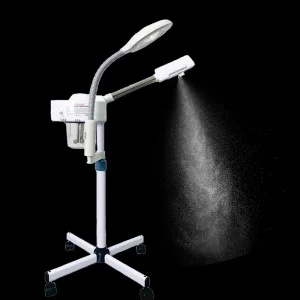
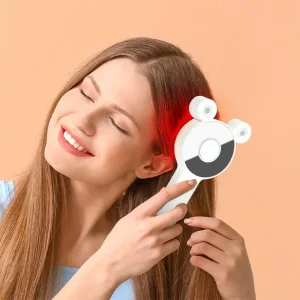
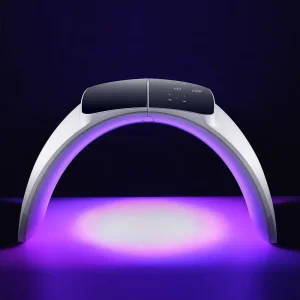
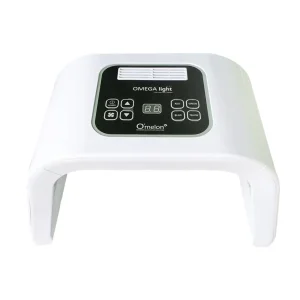
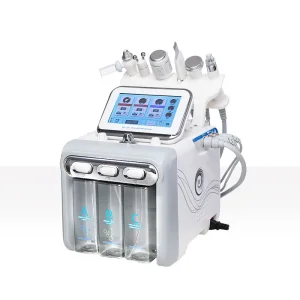
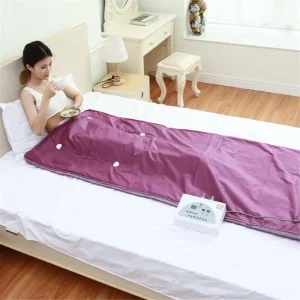
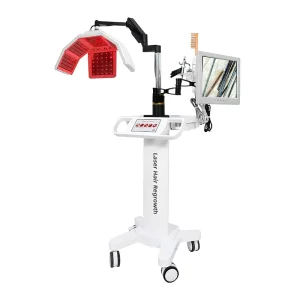
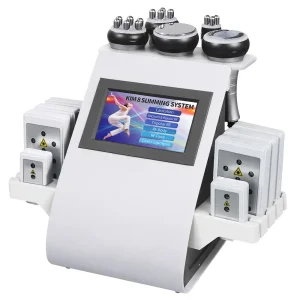
Explore our top CE-certified medical grade devices designed for clinical and professional applications.
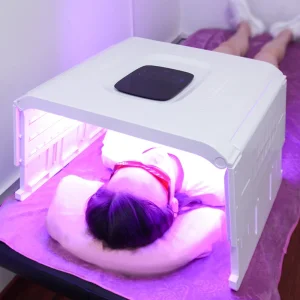
The global photobiomodulation (PBM) industry, commonly identified as Red Light Therapy, is undergoing a profound paradigm shift. Historically confined to aesthetic dermatology clinics, red and near-infrared (NIR) light wavelengths (630nm, 660nm, 810nm, 850nm) are now recognized as foundational elements of cellular medicine, sports performance, and holistic longevity protocols. Key market forces including the aging global demographic, a surging consumer appetite for drug-free pain relief, and clinical proof of mitochondrial stimulation (via cytochrome c oxidase activation) are propelling demand.
For international importers and medical distributors, maintaining alignment with this trend requires partnering with manufacturers who prioritize clinical validation, safety compliance, and robust technical documentation. The regulatory barrier is rising, making it essential to source systems carrying accredited CE certifications to navigate modern import laws securely.
In the medical and professional aesthetic industry, CE Certification is not merely a label; it is a critical regulatory passport that validates compliance with European Union safety, health, and environmental protection standards. For professional buyers across the EU, UK, Middle East, and parts of Asia, imported machinery without verifiable CE documentation represents a massive compliance liability, risking customs confiscation, legal action, and business disruptions.
To meet authentic CE standards, a Red Light Therapy system must pass testing in several fields:
| Regulatory Domain | Standard Reference | Importer Value Protection |
|---|---|---|
| Electrical Safety | EN 60601-1 / EN 60335 | Protects end-users from shock and limits system fire hazards. |
| Radiation Safety | IEC 62471 | Ensures zero eye hazards (blue light hazard free) under targeted treatment. |
| EMC Compliance | EN 55014-1 / EN 55014-2 | Guarantees system coexistence with other clinic machinery. |
For B2B buyers—procurement managers, spa group managers, and brand distributors—selecting a Red Light Therapy supplier demands close examination of objective physical parameters. Sourcing solely based on lower prices leads to high product return rates, poor client results, and structural failures. Evaluating these critical engineering metrics helps secure reliable supply lines:
1. Irradiance & Target Dosage: The therapeutic power density, measured in mW/cm² at a specific distance (typically 6 inches). Devices must deliver adequate irradiance to penetrate dermal layers effectively. Authentic suppliers provide detailed spatial maps showing irradiance consistency across the treatment area.
2. Thermal Dissipation Frameworks: High-output LEDs generate internal heat. Without active heat sinking or high-speed silent fan cooling, high operating temperatures cause LED wavelength drift, accelerate degradation, and degrade housing materials. Look for designs featuring thick aluminum PCBs and quiet, ball-bearing fans.
3. EMF Emission Control: High EMF output is a common issue in lower-quality imports. Reputable engineers configure internal DC power supplies and shield high-voltage components to reduce EMF emission to zero at treatment distances.
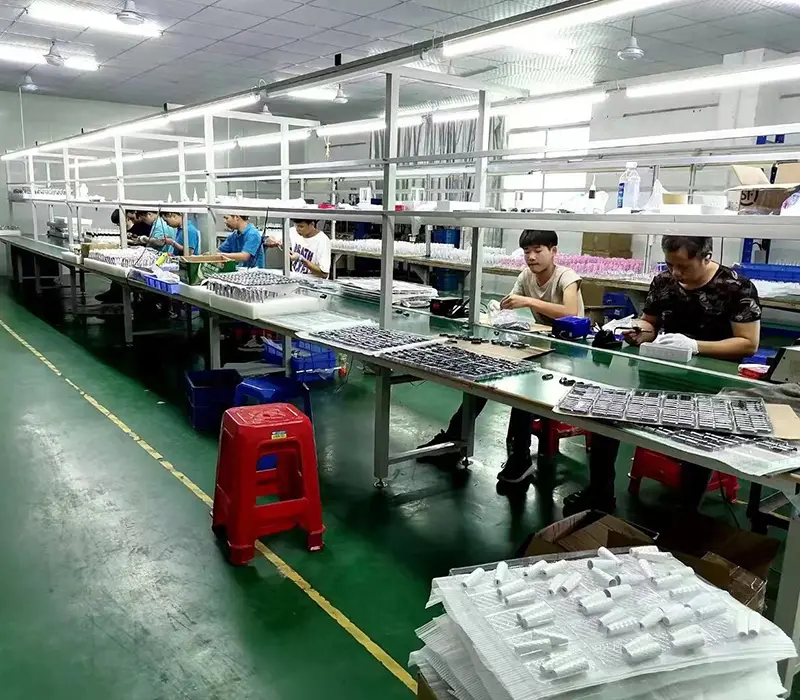
Inside Shenzhen Aidiesin Industrial's manufacturing infrastructure—where smart production meets international quality control.
Using computerized surface mount technology (SMT) guarantees high-precision placement of LED chips on advanced metal-core PCBs. This setup ensures strong electrical connections and reliable thermal dissipation pathways.
We test every production batch through rigorous aging protocols, high-voltage insulation tests, vibration testing, and integrating spectrometer-validated wavelength measurements prior to dispatch.
With agile supply chains based in Shenzhen, we deliver custom design solutions, flexible ODM adjustments, and stable part supplies that shield your business against global logistics shifts.
Shenzhen Aidiesin Industrial Co., Ltd. is committed to providing excellent customer service and satisfaction. These devices harness the power of LED light to address a variety of skin concerns and promote a healthy and youthful complexion. With different modes and customizable settings, users can enjoy a personalized skin care routine in the comfort of their own home.
In addition, Aidiesin is committed to the research and development of beauty salon instruments, developing a series of fat blasting machines, EMS sculpting machines, and facial beauty instruments. It enjoys a reputation of "high-end", "cutting-edge" and "high-quality" in the beauty industry.
We have complete experience in product design and research and development, backed by excellent team members and developers. We maintain a reliable after-sales feedback system to inspect and resolve product issues quickly. You can rest assured that every product we ship is carefully inspected and fully qualified.
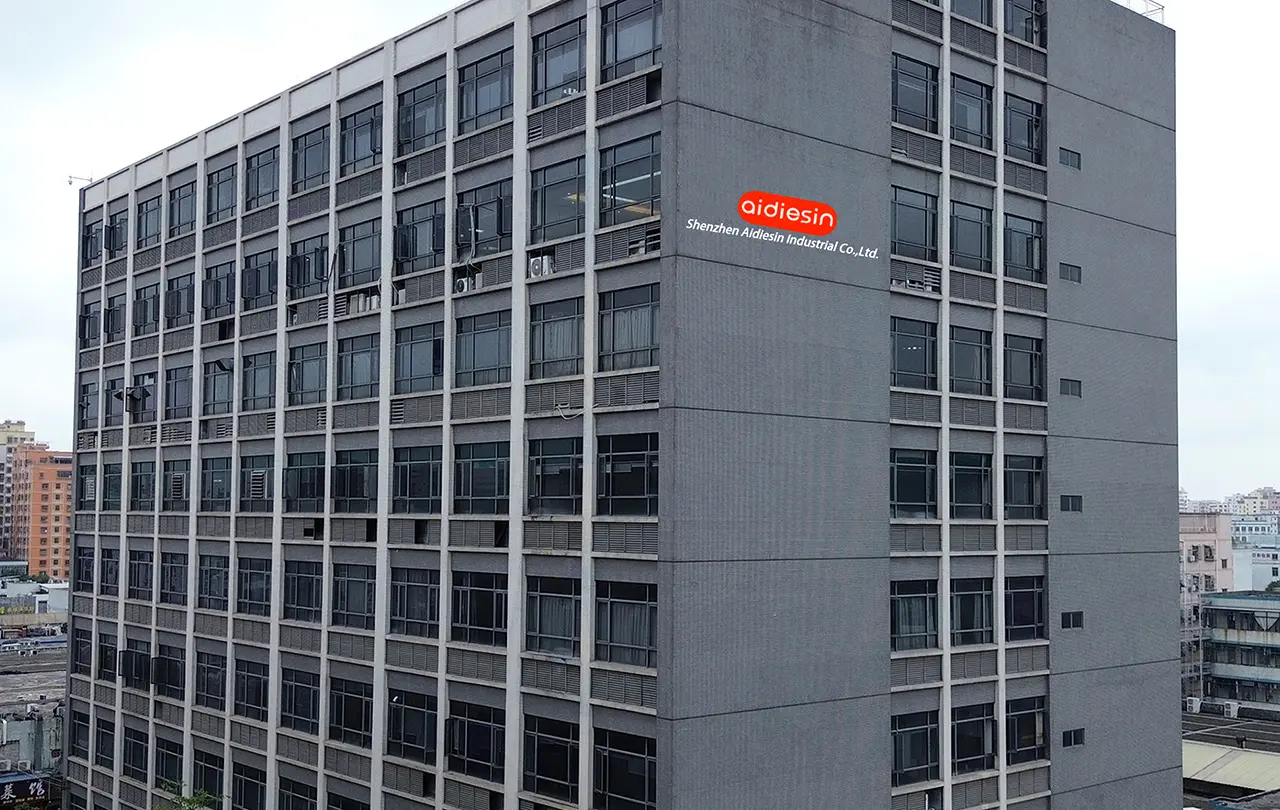
Our manufacturing workflow is certified to international standards. Rigorous inspection protocols ensure safety and consistency across all production batches.
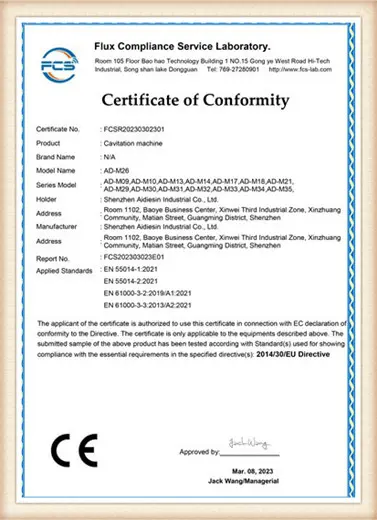
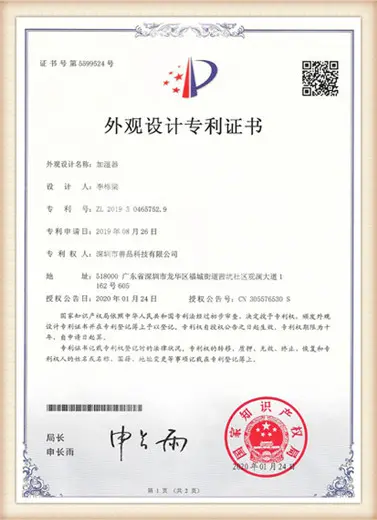
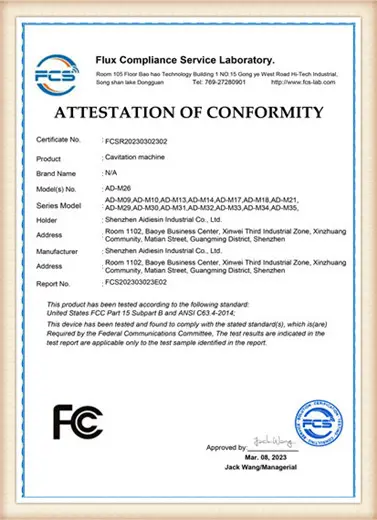
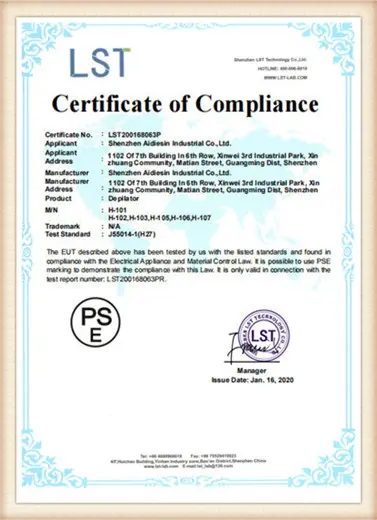
A transparent look at our specialized production workshops, component assembly lines, and testing spaces.
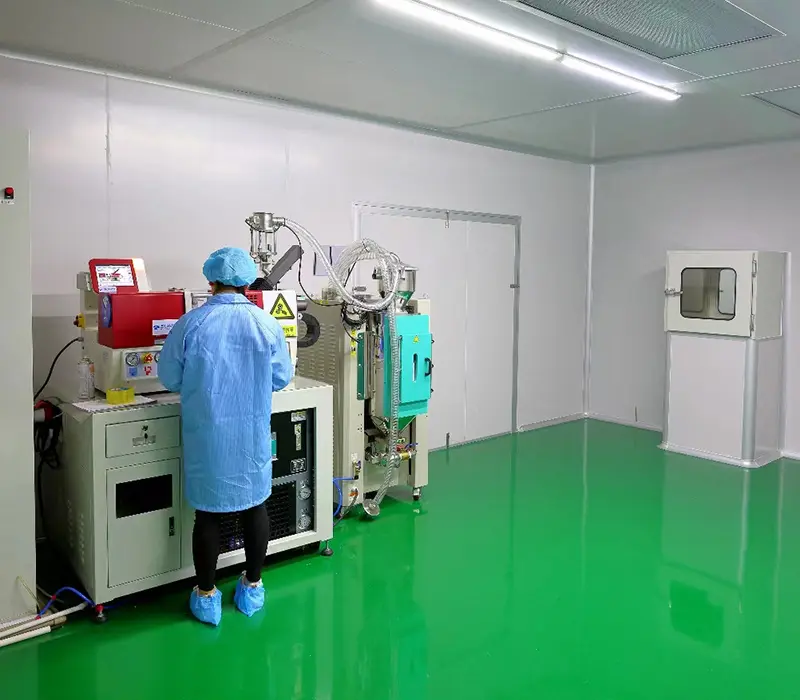

Our treatment technologies are designed for versatile environments, from dermatology clinics and fitness centers to home wellness setups.

Advanced laser solutions designed to safely inhibit hair follicles, bringing users smooth skin.
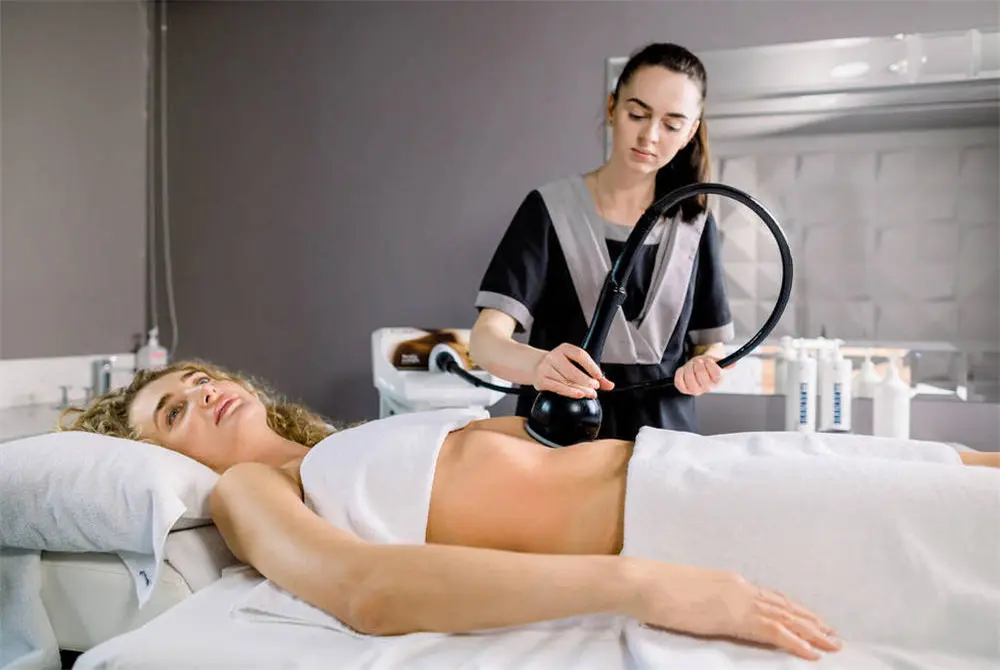
Targeted thermal lipolysis technology for aesthetic spas, health clubs, and body contouring clinics.
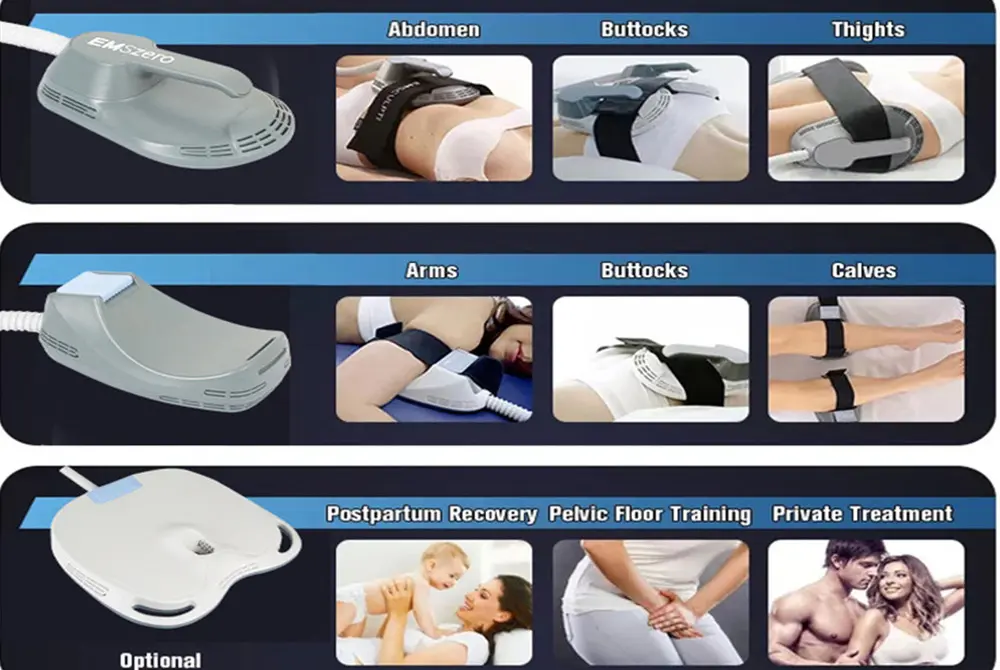
Utilizing high-frequency technology to stimulate deep muscle contractions, helping patients build tone in less time.
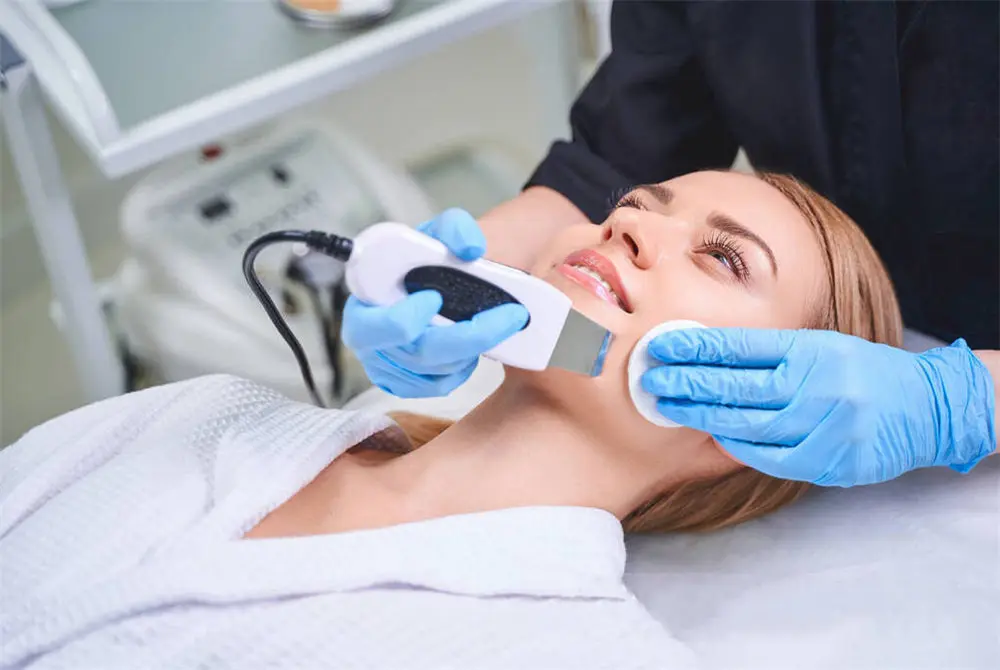
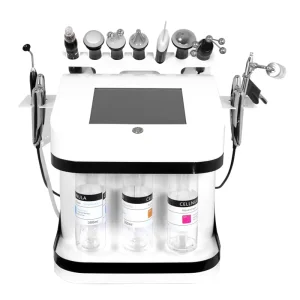
Integrated hydro-beautys microdermabrasion platforms optimized for beauty clinics and medical spas.
Answers to critical questions concerning global compliance, technical validation, and ODM/OEM options.
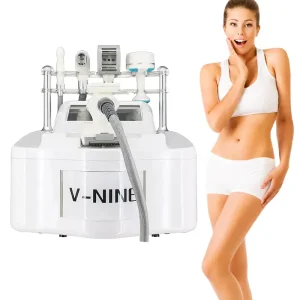
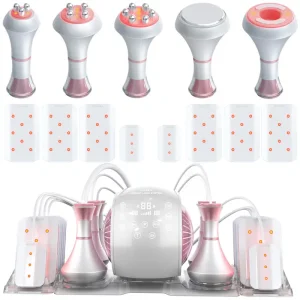
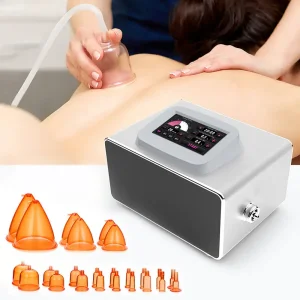
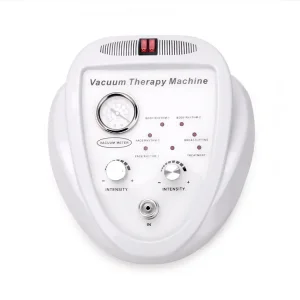
Browse our integrated beauty technologies, multi-wavelength capsules, and advanced slimming platforms.
 Aidiesin