Shenzhen Aidiesin Industrial Co., Ltd. is committed to providing excellent customer service and satisfaction. In this comprehensive technical guide and industry whitepaper, we dissect the clinical, technical, and regulatory dimensions of CE-certified phototherapy devices—specifically focusing on low-level laser therapy (LLLT) and Light Emitting Diode (LED) red light hair growth systems. As a premier partner for global importers, medical spas, and brand owners, we bridge advanced manufacturing with robust European compliance standards to fuel your market growth.
Explore our engineering breakthroughs in clinical systems and specialized personal care hardware
Understanding the cellular pathways and light mechanics that stimulate follicular regeneration.
At the core of red light hair growth technology lies Photobiomodulation (PBM). This non-thermal optical process uses narrow-band light sources, primarily light-emitting diodes (LEDs) or super-luminescent laser diodes (LDs), to deliver light in the visible red spectral range (specifically 650nm to 670nm).
When the scalp is irradiated at this optimized wavelength, the light energy is absorbed by cytochrome c oxidase within the mitochondria of the hair follicle cells. This triggers an intracellular cascade:
Consequently, hair follicles in the dormant telogen (resting) phase are stimulated to transition into the active anagen (growth) phase. For global distributors, this represents a scientifically validated, drug-free modality to combat androgenetic alopecia and general thinning, driving huge market demand.
| Parameter / Metric | Laser Diode (LD) System | Light Emitting Diode (LED) System | Hybrid (LD + LED) System |
|---|---|---|---|
| Wavelength Precision | 650nm ± 5nm (Ultra-coherent) | 650nm ± 15nm (Incoherent) | Dual-band optimization (650nm/660nm) |
| Energy Density (Fluence) | High (3 - 5 J/cm²) | Moderate (1 - 2 J/cm²) | Optimized customized configuration |
| Scalp Coverage & Penetration | Deep focal points, targeted | Broad, uniform surface spread | Simultaneous deep & surface coverage |
| CE Compliance Pathway | MDR Class IIa Medical Device | LVD/EMC Directive compliance | Class IIa / IIb Medical Certification |
How Shenzhen's optoelectronic supply chain enables high efficiency, cost control, and rapid R&D.
Shenzhen hosts the world's most dense cluster of optical component manufacturers, PCB layout designers, and precision plastic injection molding factories. This spatial proximity reduces procurement lead times and enables rapid iterations on physical shell designs and diode array patterns.
By leveraging mass production economies of scale, Chinese exporters offer CE-certified medical grade red light hair growth devices at a fraction of the cost of domestic manufacturers in North America or Western Europe, without sacrificing compliance or quality parameters.
From custom laser-to-LED ratios and ergonomic helmet structures to integrated Bluetooth modules and diagnostic sensors, companies like Shenzhen Aidiesin provide end-to-end customization to establish market differentiation for foreign clients.
The regulatory blueprint for importing medical-grade phototherapy hardware into the European Economic Area (EEA).
Navigating the European regulatory environment requires a thorough understanding of the CE (Conformité Européenne) directives. For red light hair growth caps and professional aesthetic systems, compliance is not just a stamp; it is a rigorous verification process:
If the device claims to actively treat or mitigate medical alopecia, it falls under the scope of Class IIa or Class IIb medical devices. This demands clinical evaluations, structured Risk Management (ISO 14971), and a robust Quality Management System (ISO 13485) implemented by the exporter.
For devices marketed as cosmetic hair enhancement systems, compliance centers on electrical safety and electromagnetic interference. Extensive laboratory testing ensures that the device will not cause harmonic interference with household grids or present any electrical hazards to the end-user.
Because these devices utilize high-power LED arrays or laser diodes, they must undergo testing to classify ocular and skin hazards. A CE-certified cap ensures that emissions do not exceed safe levels for skin and eye exposure under normal or predictable misuse scenarios.
CE MDR Compliant
Manufacturing Standard
Ocular Hazard Risk (EN 62471)
The technological developments defining the next generation of phototherapeutic hardware.
Modern hair growth caps are transitioning from passive timing devices to smart connected nodes. Built-in moisture sensors, sebum meters, and HD scalp cameras interface with mobile applications, allowing users and dermatologists to track treatment progress, adjust dosage parameters, and configure automated treatment schedules.
Clinical trials indicate that combining 650nm red light with 830nm near-infrared (NIR) light yields superior results. Red light stimulates the superficial dermal layers, while NIR penetrates deeper into the subcutaneous tissues to accelerate cell recovery, providing a dual-action therapeutic approach.
Rigid plastic helmets are being replaced by lightweight, flexible silicone caps. These ergonomic form-factors adapt to diverse skull geometries, ensuring uniform distance between the light source and the scalp, optimizing light intensity and delivery.
Tailored engineering and custom integration strategies for distinct commercial distribution channels.
In professional clinics and hair transplant centers, red light systems serve as non-invasive post-operative therapy. Following Follicular Unit Extraction (FUE) or Follicular Unit Transplantation (FUT) surgery, targeted 650nm laser irradiation reduces graft shedding, mitigates localized inflammation, and accelerates skin healing. Exporters deliver large-scale, multi-panel hoods designed for constant outpatient use.
By blending red light therapy with secondary procedures—such as micro-needling, scalp mesotherapy, or chemical peels—salons create synergistic treatment menus. Dynamic setups featuring automated power management systems enable therapists to tailor output parameters based on scalp conditions and customer preferences.
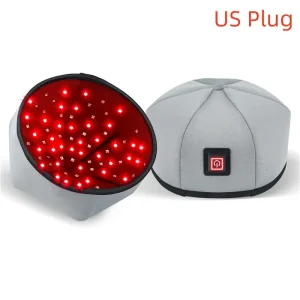
For high-growth consumer brands, the target is a sleek, CE-certified consumer device. These models feature plug-and-play USB power cords, built-in proximity sensors (which turn off the light when the cap is removed), and custom packaging designed to drive brand engagement and consumer satisfaction.
Ensuring every system undergoes testing and inspection before entering the market.
"The company attaches great importance to quality control, ensuring that each product undergoes rigorous testing and inspection before entering the market. We have complete experience in product design and research and development, and our company has many excellent employees and developers. We also have a good after-sales feedback system, which can promptly inspect and correct product problems. Please rest assured that every product you use is carefully inspected and qualified!"
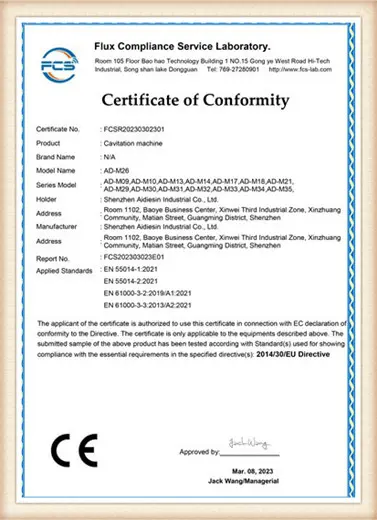
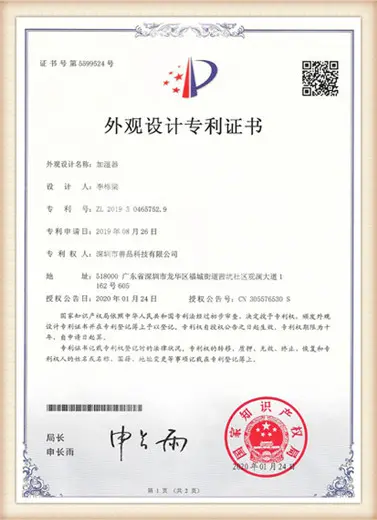
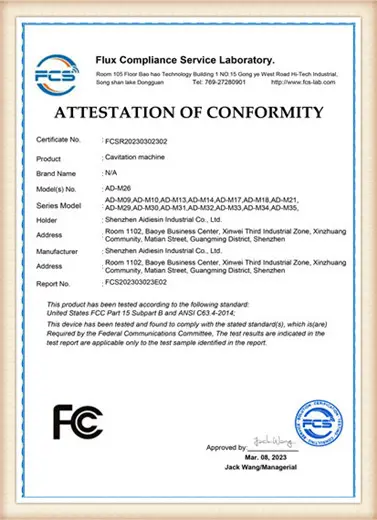
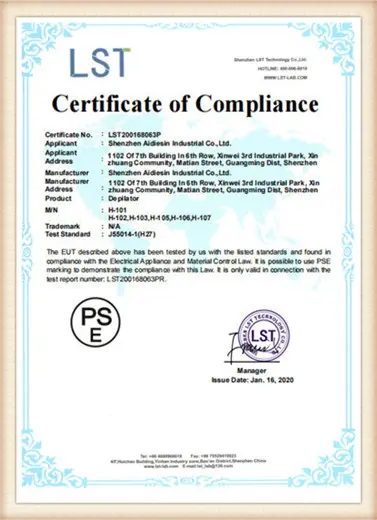
Ensure regulatory alignment, optical safety, and commercial durability when selecting your next manufacturing partner.
When sourcing medical-grade hardware from China, global procurement teams must establish systematic testing and inspection criteria to protect their brands. Ensure your partner supports the following protocols:
Commitment to innovation, high-end medical spa technology, and global brand support.
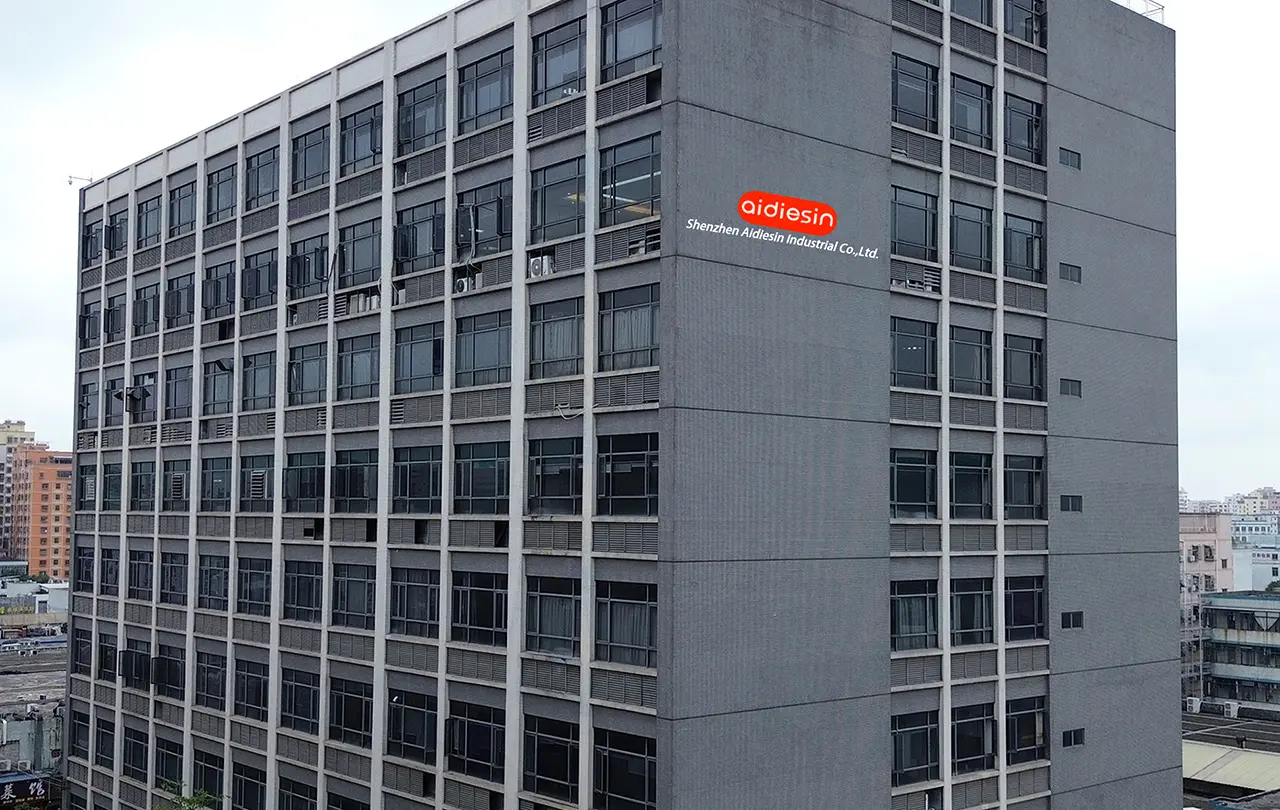
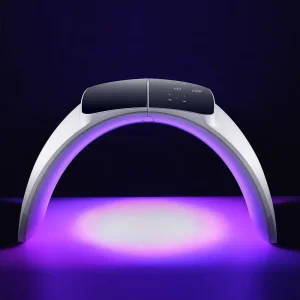
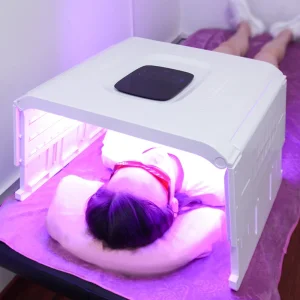
These devices harness the power of LED light to address a variety of skin concerns and promote a healthy and youthful complexion. With different modes and customizable settings, users can enjoy a personalized skin care routine in the comfort of their own home.
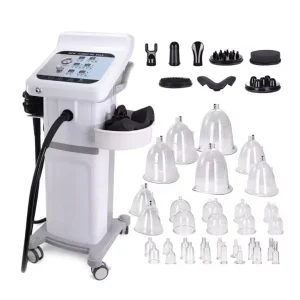
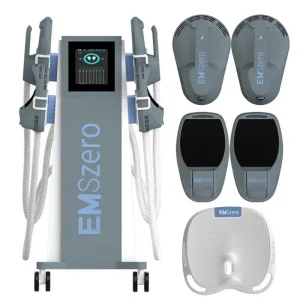
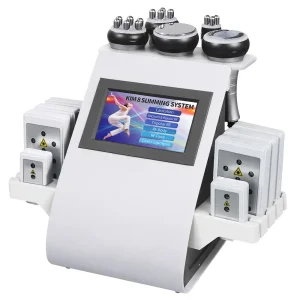
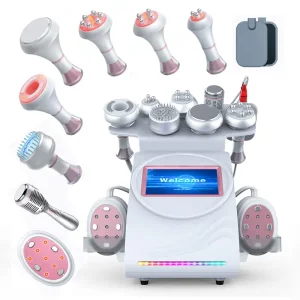
In addition, Aidiesin is also committed to the research and development of beauty salon instruments, researching and developing a series of fat blasting machine, EMS sculpting machines and facial beauty instruments. It enjoys a reputation of "high-end", "cutting-edge" and "high-quality" in the beauty industry.
We have after-sale service, any problem, we will solve and provide with technical support.
We support OEM&ODM customized, material customized, and design special type for you.
We have design, production, sales, after-sale, technical department, provide you with a chain service.
Our company is a happy big family, and any inquiries you make will receive timely and professional responses from us.
Advanced physical therapeutic and body-contouring hardware solutions
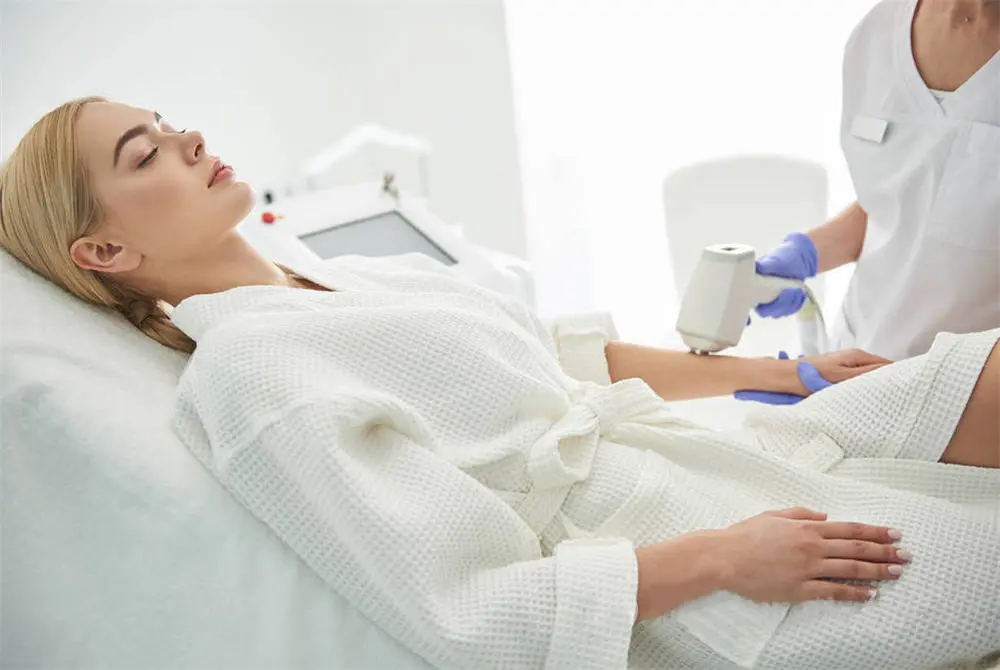
never mind about the hair remove problem again, bring you smooth skin.
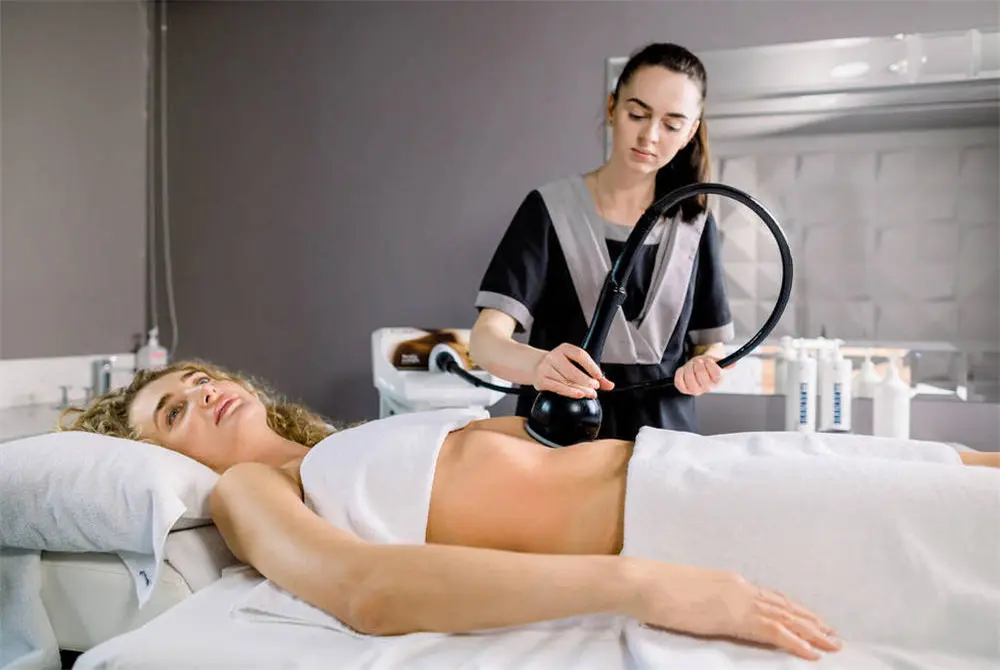
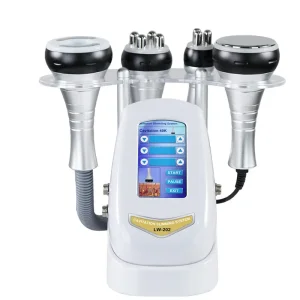
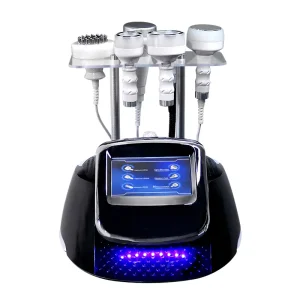
use for face and body, remove fat Application:Health and fitness center.
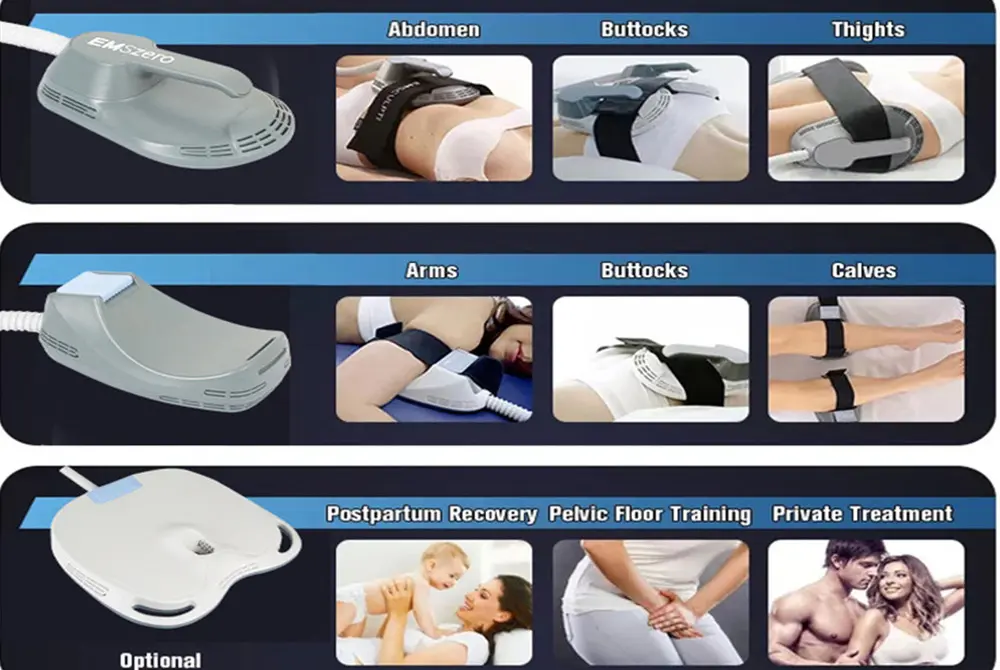
building your muscle with high technology, save your exercise time.
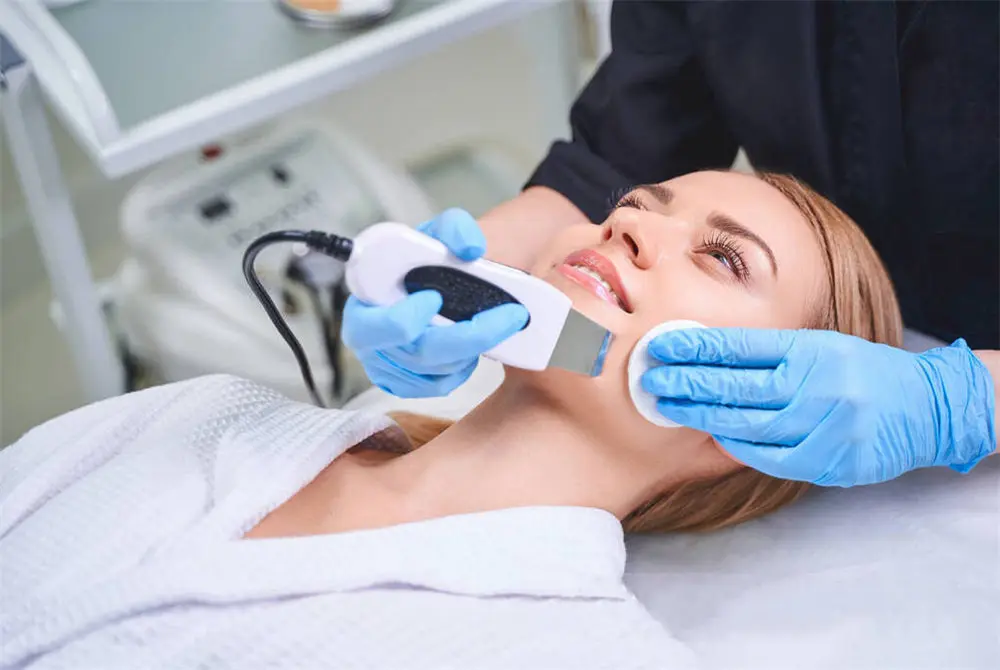
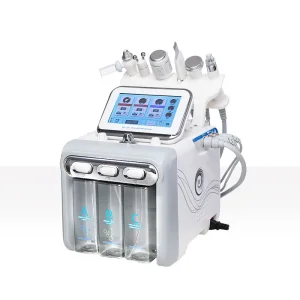
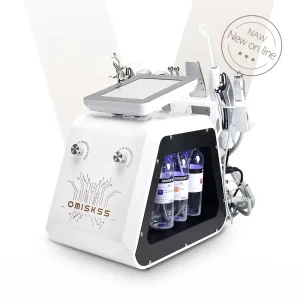
hydra beauty machine Application: Beauty center/beauty sPA.
Answering high-intent questions on certifications, laser technology, and factory logistics.
Explore our specialized range of therapeutic systems and medical-grade beauty hardware
 Aidiesin