An in-depth industrial perspective on clinical wavelengths, market demand, and Shenzhen's manufacturing ecosystems for Red & Blue light therapy solutions.
Photobiomodulation (PBM) has shifted from a novel clinical alternative to a foundational pillar of modern aesthetic medicine, dermatology, and full-body cellular rehabilitation. Broad-spectrum light sources have been systematically replaced by narrow-band light emitting diodes (LEDs) that deliver target-specific monochromatic wavelengths with precise optical power density (irradiance).
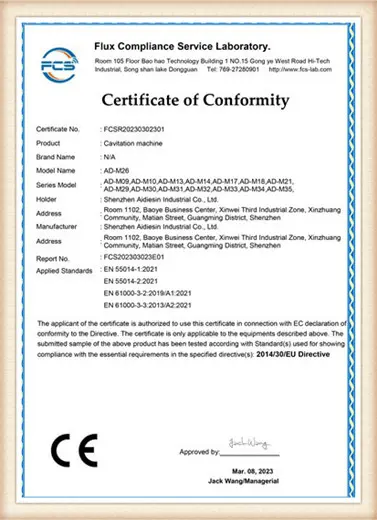
As international markets experience a surge in consumer demand, professional practitioners and B2B distributors are faced with navigating global regulatory standards and sourcing networks. Specifically, CE Certification has evolved from a simple import requirement to a rigorous indicator of electromagnetic safety, structural integrity, and biological efficacy.
How precise optical emissions interact at the cellular level to trigger targeted dermal responses.
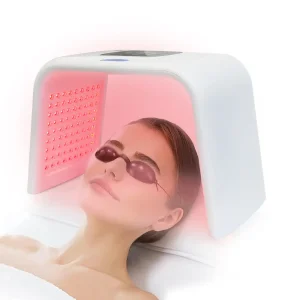
Red light wavelengths penetrate deep into the dermal layer, where they are absorbed by Cytochrome C Oxidase inside the mitochondria. This absorption excites electron transport, resulting in increased production of Adenosine Triphosphate (ATP), mild reactive oxygen species (ROS) formation, and subsequent upregulation of collagen synthesis and cellular repair pathways.
Targeting the epidermis, blue light matches the absorption spectrum of endogenous porphyrins within Cutibacterium acnes. This interaction produces singlet oxygen radicals that selectively destroy acne-causing bacteria without damaging surrounding dermal tissues, providing a non-systemic, chemical-free treatment.
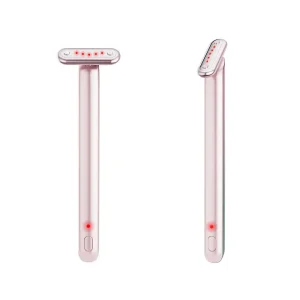
Often combined with red light, near-infrared (NIR) wavelengths penetrate into deep subcutaneous tissues, muscles, and joint spaces. NIR modulates inflammatory cytokines, accelerates microcirculation, and helps relieve deep muscle soreness and chronic pain in physical therapy and rehabilitation centers.
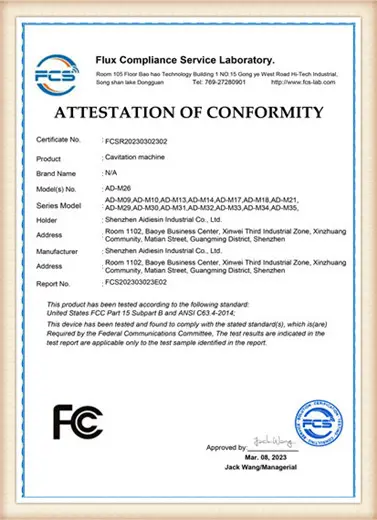
Importing light therapy and beauty devices into the European Economic Area (EEA), the Middle East, and parts of Asia requires strict adherence to regulatory standards. A basic CE label is no longer sufficient; buyers must verify comprehensive test reports from recognized labs.
A compliant beauty machine must meet the Low Voltage Directive (LVD 2014/35/EU) for electrical safety and the Electromagnetic Compatibility Directive (EMC 2014/30/EU) to prevent interference with other clinical systems. Additionally, devices must comply with the RoHS directive to limit hazardous materials, and photobiological safety standards like EN 62471 to ensure the light output does not damage human eyes or skin.
By sourcing certified equipment, distributors protect their brands from customs seizures, liability claims, and operational failures, while ensuring end-user safety.
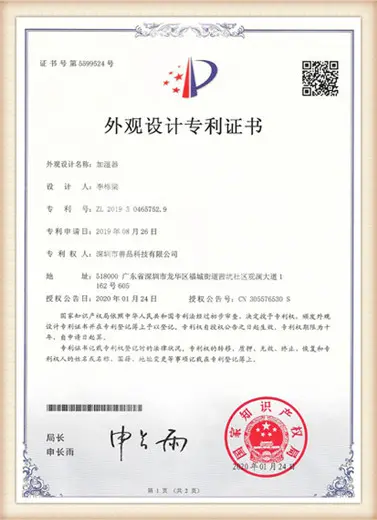
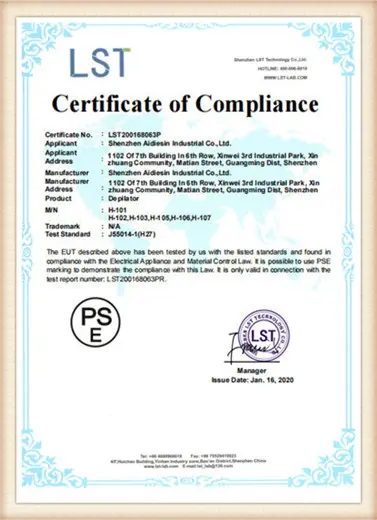
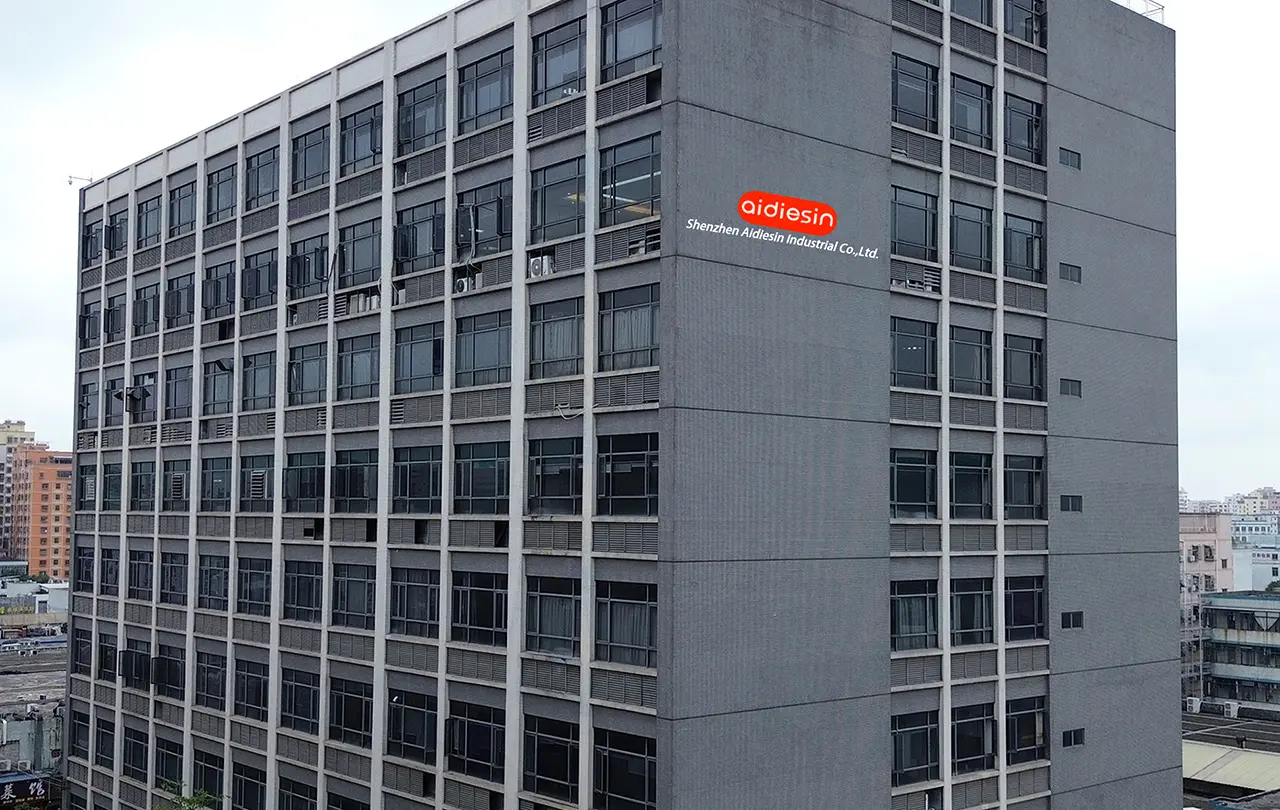
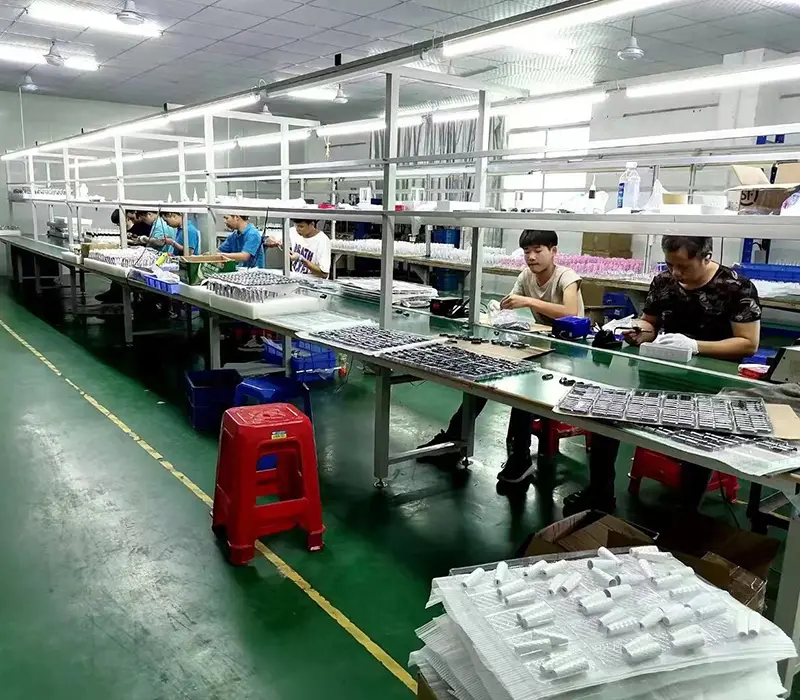
Combining design flexibility, high component density, and strict quality control within a single manufacturing ecosystem.
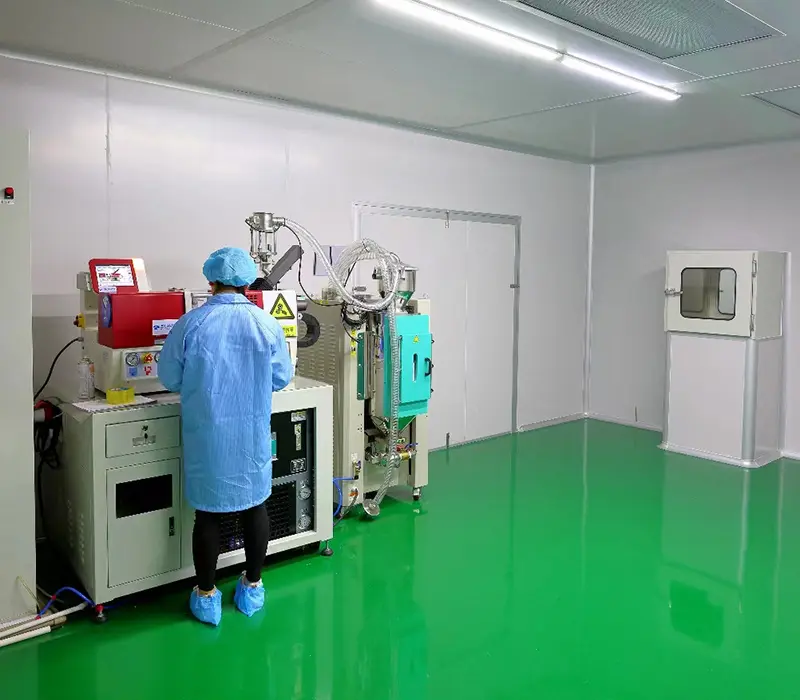
From initial industrial design and optical simulation to custom mold injection and printed circuit board assembly (PCBA), we manage the entire production process in-house.
We source medical-grade LEDs with narrow wave-band tolerances (±3nm) to ensure consistent spectral output and long-term performance across production runs.
Every device undergo testings, including high-voltage insulation tests, 48-hour continuous burn-in, spectroradiometric assessments, and drop tests before shipping.
We easily adjust case colors, add custom logos, program touch-screen user interfaces, and modify wavelength profiles to match your brand requirements.

Discover how professional medical spas, wellness centers, and home-use brands integrate modern light therapy systems.
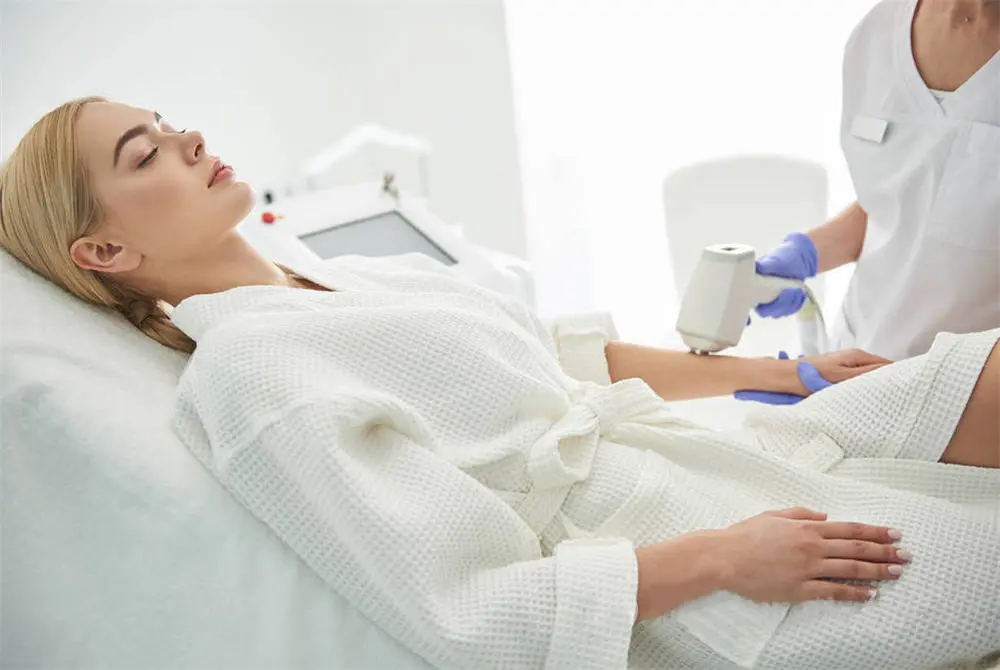
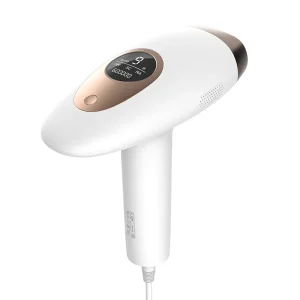
High-speed, cooling-assisted IPL systems designed for efficient, irritation-free hair removal on all body areas, helping salons optimize treatment times.
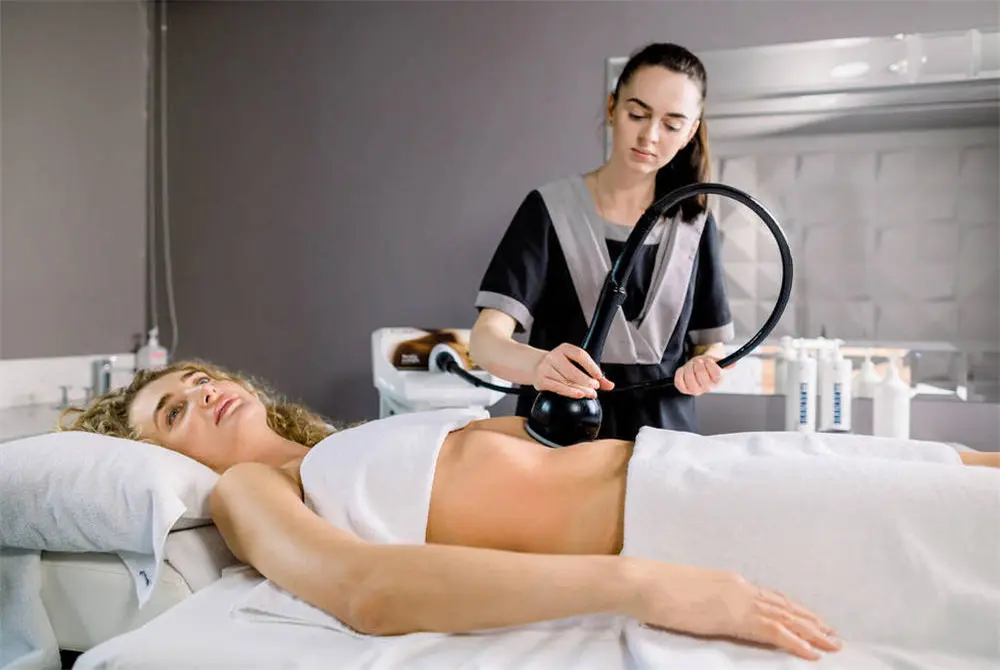
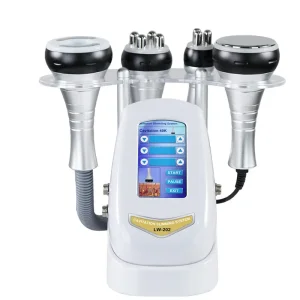
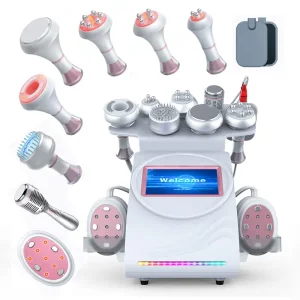
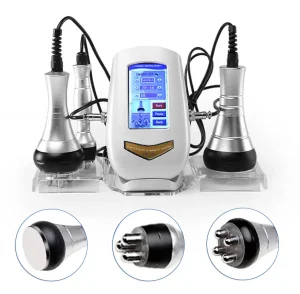
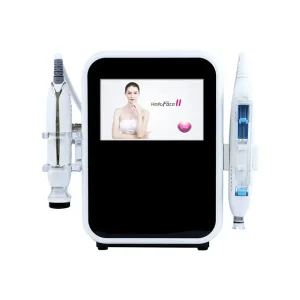
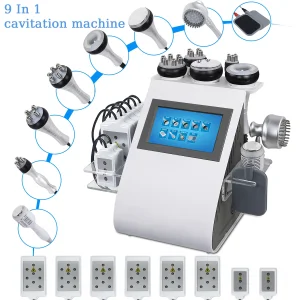
Combining ultrasonic cavitation and targeted light therapy to disrupt fat cell membranes, supporting natural lymphatic drainage and body contouring.
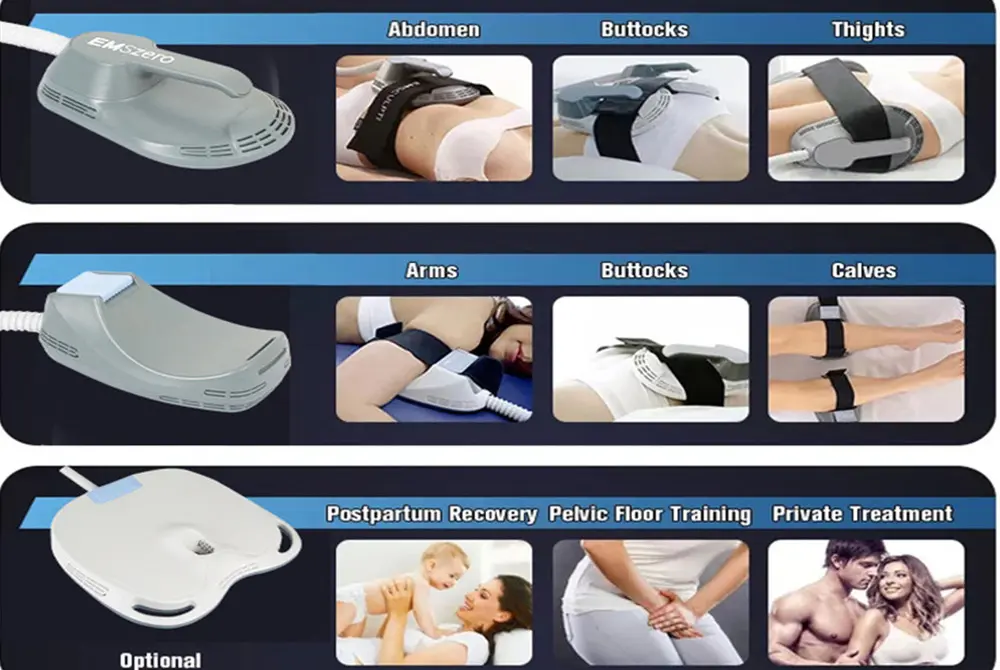
Utilizing high-intensity focused electromagnetic energy to induce supramaximal muscle contractions, improving muscle tone and boosting core strength.
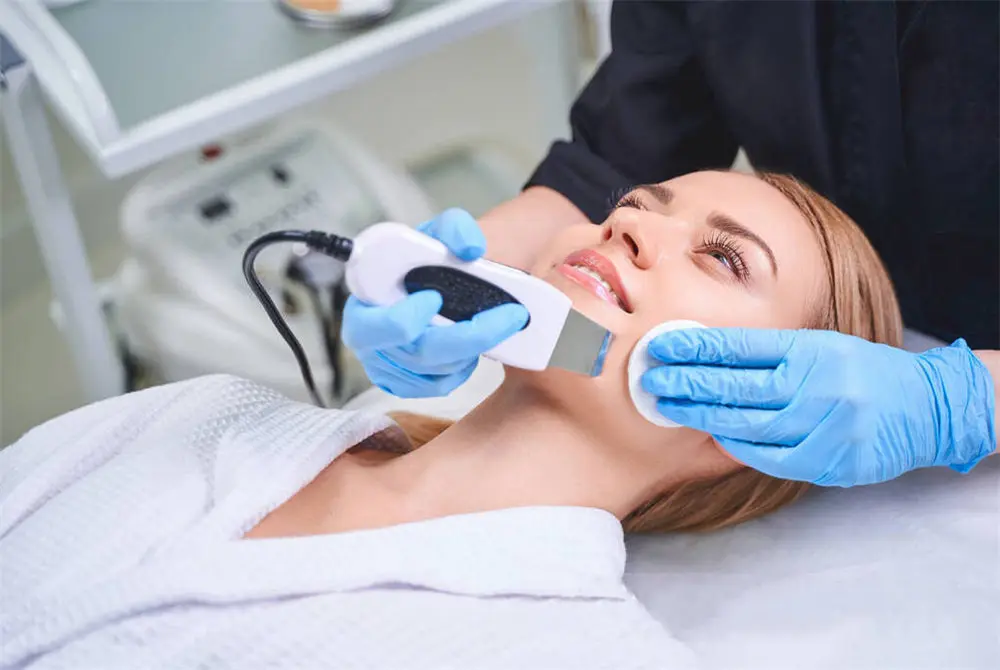
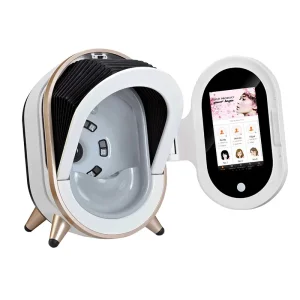
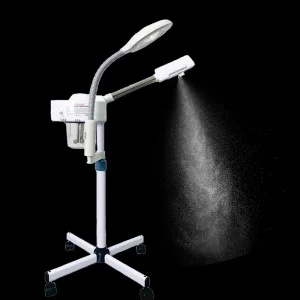
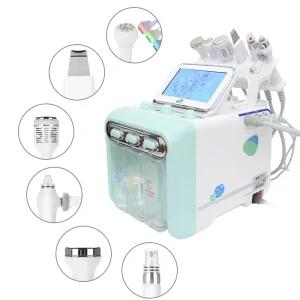
Integrating hydradermabrasion, vacuum suction, and LED phototherapy to deep-clean, exfoliate, and hydrate the skin in professional spas and clinics.
Key information regarding clinical power metrics, compliance, factory custom options, and logistics.
Irradiance (optical power density measured in mW/cm²) determines how quickly the treatment dose is delivered. Professional spa equipment typically targets an irradiance of 40 mW/cm² to 100 mW/cm² at a treatment distance of 10-15 cm. This ensures therapeutic doses are reached within a 15-to-20-minute session.
CE Certification shows that the device complies with EU safety standards. It covers the Low Voltage Directive (LVD) for electrical safety, the Electromagnetic Compatibility (EMC) Directive to prevent signal interference, and EN 62471 photobiological safety to ensure the LED emissions do not cause eye or skin damage.
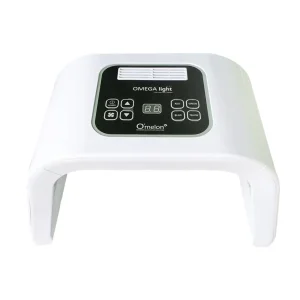
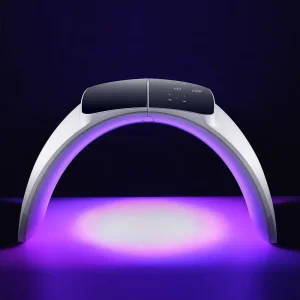
Yes. Through our OEM/ODM services, we can customize spectral configurations. We offer multi-wavelength panels that combine 415nm blue light, 630nm/660nm red light, 590nm yellow light, and 830nm/850nm near-infrared light on a single control board.
Excess heat can cause LED wavelengths to shift and reduce diode lifespan. To prevent this, we use aluminum PCBs with high thermal conductivity, custom copper heatsinks, and quiet cooling fans. This setup keeps operational junction temperatures below 55°C.
Standard orders are typically processed and shipped within 15-20 days. For custom OEM/ODM projects requiring tooling, circuit design, and prototype approvals, the timeframe ranges from 30 to 45 days. We also offer fast air cargo options for urgent orders.
Access direct wholesale pricing, complete CE documentation, and dedicated OEM support from Shenzhen Aidiesin Industrial Co., Ltd.
Submit Sourcing Specification RFP Aidiesin