In 2026, global skincare professionals are examining the Hydro Dermabrasion Machine with greater care. Demand is growing across clinics, beauty studios, wellness centers, and mobile treatment businesses. Yet, choosing the right system involves more than comparing prices or promotional photographs. Water pressure, exfoliation control, serum delivery, vacuum strength, handpiece design, and maintenance requirements can strongly affect daily performance.
This guide reviews the leading Hydro Dermabrasion Machine types available to international buyers. It considers practical differences between compact salon units, multifunction facial platforms, professional clinical systems, and portable models. Each category serves a different operating environment. A small studio may value quiet performance and easy storage. A busy clinic may require stable suction, larger reservoirs, stronger documentation, and replaceable components.
Real experience matters here. Specifications may look impressive, but operators still need clear training, reliable suppliers, and responsive technical support. Safety instructions, electrical compatibility, labeling, warranty terms, and local product requirements should be checked before purchase. These details can prevent costly interruptions.
No single model suits every market. That is important.
Some comparisons remain imperfect because manufacturers report performance differently. Buyers should therefore request demonstrations, user manuals, maintenance schedules, and verified certificates where applicable. Clinical claims also deserve careful review, especially when marketing language sounds unusually confident. A polished screen cannot replace dependable engineering.
The sections ahead help global buyers compare machine structures, treatment functions, ownership costs, and supplier credibility. The goal is not to promote one universal answer. It is to support a more informed and realistic decision.
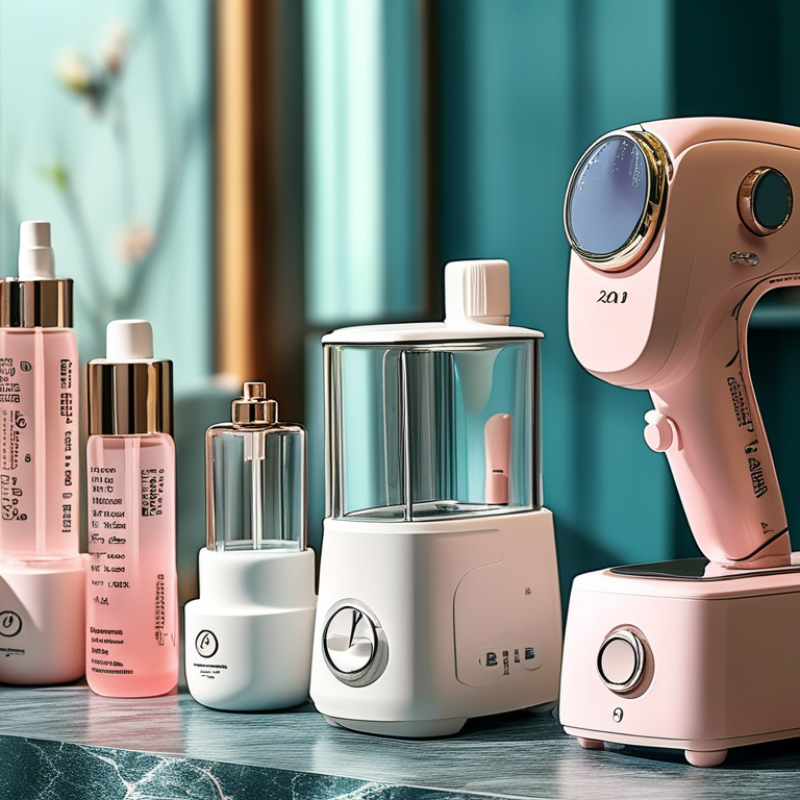
2026 Top Hydro Dermabrasion Machine Types for Global Buyers
What Is Hydro Dermabrasion and How Does It Work?
Hydro dermabrasion combines gentle exfoliation, controlled vacuum suction, and liquid infusion. A handheld tip loosens surface debris while drawing impurities from the pores. At the same time, water-based solutions contact the skin. The process feels more like a wet polishing treatment than traditional abrasive resurfacing. Results can vary.
A typical session follows three stages: cleansing, vortex exfoliation, and serum delivery. The vacuum pressure should match skin sensitivity and treatment goals. Excessive suction may cause temporary redness, especially on fragile skin. Operators should inspect the skin first and avoid treating active irritation. This practical step is sometimes overlooked.
Industry data supports growing interest in non-surgical aesthetic procedures. The International Society of Aesthetic Plastic Surgery reported over 19 million non-surgical procedures worldwide in its 2023 global survey. Grand View Research also places the microdermabrasion devices market on a steady growth path through 2030, with annual growth estimated above 8%. These reports often group hydro dermabrasion with related device categories, so exact market comparisons require caution. Buyers should examine pump stability, adjustable vacuum levels, liquid-flow control, handpiece hygiene, and operator training. A machine with more attachments is not automatically better. Real clinic performance depends on maintenance, technique, skin assessment, and consistent protocols.
Hydro dermabrasion is a non-invasive skin treatment that combines a liquid solution, controlled exfoliation, vacuum-assisted extraction, and serum delivery. The liquid helps reduce friction while the vacuum lifts surface debris and excess sebum from the skin.
The chart compares common machine categories by their core functions. Basic and portable systems generally focus on solution flow, exfoliation, and vacuum extraction. Aqua-peel systems commonly add serum infusion, while multifunction platforms may also integrate technologies such as oxygen spray, ultrasonic spatula, radio frequency, or LED therapy. Actual configurations vary by model and market.
Hydro dermabrasion machines now fall into three practical groups: vortex systems, jet-spray systems, and hybrid platforms. Vortex machines combine liquid infusion, vacuum extraction, and exfoliation through a spiral handpiece. They suit clinics seeking one controlled facial treatment. Jet-spray systems use pressurized saline or serum without strong suction. They feel lighter on sensitive skin, but results depend heavily on operator technique. Hybrid platforms may add oxygen infusion, radiofrequency, or electroporation. These features increase versatility, though they also raise maintenance and training demands.
Demand supports this product direction. The ISAPS 2023 Global Survey recorded 19.1 million nonsurgical aesthetic procedures worldwide, up about 40% from 2022. MarketsandMarkets’ 2024 medical aesthetics report also projects continued market expansion through 2029. Neither report isolates hydro dermabrasion, which is an important limitation. Sales claims should not treat broad aesthetics data as direct proof of hydro facial demand.
Global buyers should compare portable tabletop units with wheeled clinic systems. Tabletop models need less room and suit beauty practices with moderate appointment volume. Wheeled systems usually provide larger tanks, stronger pumps, and more treatment controls. Check adjustable vacuum pressure, liquid-flow accuracy, filter design, and handpiece sterilization requirements. Disposable tips must be clearly specified.
It is easy to overlook water quality. That mistake can affect comfort, hygiene, and equipment life. A practical choice is not always the most feature-rich model. Many clinics may prefer fewer functions, clearer controls, and dependable service access.
Hydro dermabrasion results depend more on control than on attachment count. A stable vacuum system lifts debris without leaving prolonged redness. Adjustable suction matters because thin cheek skin needs less pressure than an oily nose. In practical treatment testing, operators often prefer gradual control over maximum power. More force is not always better. That assumption deserves testing.
Fluid delivery also changes the treatment experience. A fine, even spray keeps the handpiece moving smoothly across the skin. Larger droplets may waste serum and create uneven coverage. Machines with separate solution channels can reduce cross-contamination risks and simplify clinical protocols. Temperature control may improve comfort, especially during longer sessions. According to the 2023 ISAPS Global Survey, providers performed over 19 million non-surgical procedures worldwide. The survey does not isolate hydro dermabrasion, but it shows why predictable, repeatable equipment matters.
Performance data should include flow stability, negative-pressure range, noise, and cleaning time. A powerful pump means little if pressure fluctuates during treatment. Independent market analyses from Grand View Research and Allied Market Research identify multifunctional aesthetic devices as a growing category, although their definitions differ. Buyers should examine the testing method behind every claim. Ask for measured pressure, not promotional language. I would also inspect tubing connections after repeated use. Small leaks can quietly reduce performance. Mistakes happen. Good purchasing decisions leave room to question the specification sheet.
For 2026, global buyers should evaluate hydro dermabrasion machines by safety controls, not only treatment speed or attractive interfaces. The World Health Organization reports that about one in ten patients experiences harm in healthcare, with more than half considered preventable. This warning also matters in aesthetic clinics. Buyers should verify adjustable vacuum pressure, skin-contact materials, emergency stop functions, electrical protection, and clear water-flow indicators. A clean showroom demonstration proves very little.
Maintenance must be measurable. Operators should record filter changes, handpiece disinfection, tubing replacement, water quality checks, and daily leakage inspections. Reusable tips need validated cleaning instructions, not vague wording such as “sanitize after use.” ISO 14971 supports structured medical-device risk management, while IEC 60601-1 addresses electrical safety for applicable medical electrical equipment. The ISO Survey 2023 lists tens of thousands of ISO 13485 certificates worldwide, yet certification alone does not guarantee safe installation or competent operation.
Compliance depends on the machine’s claims, accessories, and destination market. A device marketed for cosmetic cleansing may face different obligations from one claiming medical treatment. Check technical files, declaration documents, labeling, local importer duties, and post-market reporting requirements. The FDA MAUDE database contains millions of device reports accumulated over time; these reports do not prove causation, but they show why traceability matters. In practice, staff training is often weaker than the machine manual. No checklist catches every misuse. Buyers should remain skeptical, document gaps, and require corrective actions before purchase.
2026 Top Hydro Dermabrasion Machine Types for Global Buyers
Choosing the right hydro dermabrasion machine starts with the treatment setting, not the product brochure. A small clinic may need a compact system with adjustable suction, simple controls, and quick cleaning. A busy medical spa may require separate solution channels, stronger vacuum control, and a larger waste container. Test the handpiece during a live demonstration. It should feel balanced, not heavy after several minutes.
Check the technical details carefully. Confirm voltage, plug type, water filtration, noise level, and replacement-part availability for your market. Ask for user training, operating instructions, and maintenance records. A supplier should clearly explain suction pressure, liquid flow, and recommended skin conditions. Avoid systems that make dramatic results claims without clinical evidence. Local rules may also require electrical safety documents, cosmetic-device registration, or trained operators.
Budget mistakes are common. The cheapest machine can become expensive when pumps, tubing, or filters fail repeatedly. Still, the most expensive option is not automatically better. I would compare three complete ownership costs over two years. Include consumables, shipping, service, training, and downtime. No machine is perfect. A useful evaluation may reveal weak drainage or awkward bottle access, issues brochures rarely mention. Leave room for that honest doubt before placing an international order.
The comparison below focuses on machine configuration, treatment capability, operating requirements, and buyer suitability. Specifications marked as “typical” vary by manufacturer, configuration, local regulations, and treatment protocol.
| Machine Type | Core Operating Principle | Typical Functions | Typical Configuration | Best For | Main Advantages | Key Limitations | Global Buyer Checklist |
|---|---|---|---|---|---|---|---|
| Portable Single-Handpiece Hydrodermabrasion Unit | Uses a liquid solution and controlled vacuum through a treatment handpiece to cleanse and exfoliate the skin surface. | Hydro exfoliation Solution infusion Vacuum extraction | Usually includes one handpiece, interchangeable tips, a solution bottle, a waste container, and basic vacuum controls. | Home-service professionals, small studios, start-up clinics, and beauty schools. | Low space requirement, simple operation, easier transport, and generally lower purchase and maintenance costs. | Limited treatment modes, smaller fluid capacity, lower workflow efficiency, and fewer adjustment options than professional systems. | Check input voltage, plug type, pump noise, replacement tips, bottle sealing, warranty coverage, and availability of user manuals in English. |
| Desktop Multi-Function Hydrodermabrasion Machine | Combines hydrodermabrasion with several non-invasive facial functions in a compact desktop platform. | Hydro exfoliation Spray or mist Ultrasonic skin spatula Cold or hot function | Typically offers multiple handpieces, separate control settings, solution and waste reservoirs, and a compact control panel. | Facial studios, salons, spas, and clinics needing a broader menu without a large trolley. | Provides more service options while using less floor space than a full-size trolley system. | Additional functions may have different maintenance needs, and low-cost models may provide limited control precision. | Confirm which functions are included rather than relying on product names; verify water pathways, cleaning procedures, and consumable compatibility. |
| Professional Trolley Hydrodermabrasion System | Uses a dedicated pump and adjustable vacuum to deliver solution-based cleansing, exfoliation, and extraction in a clinic workflow. | Hydro exfoliation Controlled vacuum Solution infusion Multiple handpieces | Usually has a wheeled chassis, larger reservoirs, several treatment heads, a control panel, and organized handpiece storage. | Dermatology clinics, medical spas, high-volume salons, and multi-room professional facilities. | Better workflow, more consistent settings, greater fluid capacity, and easier integration into repeated treatment protocols. | Higher purchase price, larger footprint, heavier shipping requirements, and greater cleaning and servicing responsibilities. | Review pump specifications, vacuum adjustment range, tank materials, drainage design, wheel stability, electrical certification, and local service support. |
| Hydrodermabrasion and Oxygen-Infusion Combination System | Performs liquid-based exfoliation and cleansing, followed by the application or spraying of a water-based solution with pressurized air or oxygen-related infusion functions. | Hydro exfoliation Vacuum extraction Mist or spray application Oxygen-related infusion | Often includes a hydro handpiece, spray or oxygen handpiece, pressure controls, solution bottles, and a waste container. | Premium facial programs, spas, and clinics seeking a more extensive post-cleansing treatment sequence. | Supports a multi-step facial protocol and can increase service variety without using separate machines. | “Oxygen” terminology is not standardized; some systems use compressed air or atomized solution rather than a medical oxygen supply. | Ask for a clear description of the gas source, operating pressure, intended use, required consumables, and whether medical claims are permitted in the target market. |
| Hydrodermabrasion and RF or LED Combination Platform | Combines liquid exfoliation and vacuum cleansing with an additional energy-based or light-based cosmetic function. | Hydro exfoliation Vacuum extraction Radio-frequency option LED option | Usually contains separate modules or handpieces for hydrodermabrasion and the additional energy or light function. | Established clinics with trained operators and a demand for structured, multi-step facial services. | Can support a wider treatment menu and improve room utilization when the additional modality is genuinely needed. | More complex operation, higher training requirements, more compliance considerations, and higher repair costs. | Verify the technical specifications of each modality separately, including RF frequency or LED wavelength, safety controls, contraindications, and applicable device registration rules. |
| Closed-Loop Professional Hydrodermabrasion System | Uses separate clean-solution and waste-fluid pathways to reduce cross-contamination risk during routine operation. | Hydro exfoliation Vacuum extraction Separated fluid pathways Waste collection | Designed with dedicated reservoirs, tubing, waste collection, removable components, and documented cleaning procedures. | High-volume clinics, facilities with strict hygiene procedures, and buyers prioritizing repeatable workflows. | Improves fluid management, simplifies standard operating procedures, and may reduce handling of open containers. | More components require inspection and replacement; tubing, seals, filters, and reservoirs still need regular cleaning and servicing. | Confirm whether the fluid circuit is genuinely separated, whether tubing is reusable or disposable, how disinfection is performed, and whether replacement parts are readily available. |
: Vortex systems combine liquid infusion, vacuum extraction, and exfoliation. They use a spiral handpiece. Jet-spray systems apply pressurized saline or serum with lighter suction. Hybrid systems may add oxygen infusion, radiofrequency, or electroporation. More features also mean more training and maintenance.
Jet-spray systems may feel gentler because they use less suction. However, results depend strongly on operator technique. Skin response still varies. A gentle setting is not automatically risk-free.
Tabletop units need less space and suit moderate appointment volumes. Wheeled systems often include larger tanks, stronger pumps, and more controls. Measure the treatment room carefully. The biggest machine may not be the best choice.
Check adjustable vacuum pressure and accurate liquid-flow control. Review filter design and handpiece cleaning requirements. Confirm whether tips are disposable or reusable. Ask how replacement parts are supplied. Clear controls often matter more than extra functions.
Poor water quality can affect comfort, hygiene, and equipment life. Clinics should schedule water checks and document the results. Clean-looking water is not proof of safety. That assumption deserves reconsideration.
Look for adjustable suction, skin-contact material details, and emergency-stop functions. Electrical protection is also important. A visible water-flow indicator can help detect problems quickly. A polished showroom demonstration proves very little.
Record filter changes, handpiece disinfection, tubing replacement, and leakage inspections. Reusable tips require validated cleaning instructions. “Sanitize after use” is too vague. Staff should follow measurable procedures.
No. Certification may support risk management or electrical safety review. It does not guarantee correct installation or competent operation. Training can be weaker than the manual. No checklist catches every misuse.
Hydro dermabrasion is a non-invasive skin treatment that combines gentle exfoliation, vacuum-based cleansing, and the controlled delivery of hydrating solutions. By removing surface impurities while supporting moisture balance, it can help improve skin smoothness, clarity, and overall appearance. In 2026, the main Hydro Dermabrasion Machine types include compact tabletop models, multifunctional systems, portable units, and professional platforms with adjustable treatment modes. Their performance depends on factors such as suction strength, solution flow control, handpiece design, filtration, treatment tips, and user-friendly operating systems.
Global buyers should also evaluate safety and maintenance requirements, including hygienic fluid pathways, replaceable components, easy disinfection, electrical safety, clear operating instructions, and appropriate documentation for local compliance. Choosing the right machine requires matching its functions to the intended treatment environment, operator skill level, client needs, budget, after-sales support, and maintenance capacity. A well-selected system should offer consistent performance, reliable construction, practical training resources, and compliance with the regulations applicable in the target market.

Aidiesin